
MDO CONCEPT · ATTENTION TO DETAIL
Central metal table bases
A central metal table base to keep the corners clear and give your table character. Round, oval or rectangular: choose the base according to the tabletop, its weight and the arrangement of the chairs. Compare the support dimensions and finishes when planning your project.
Guidance to help you choose ↓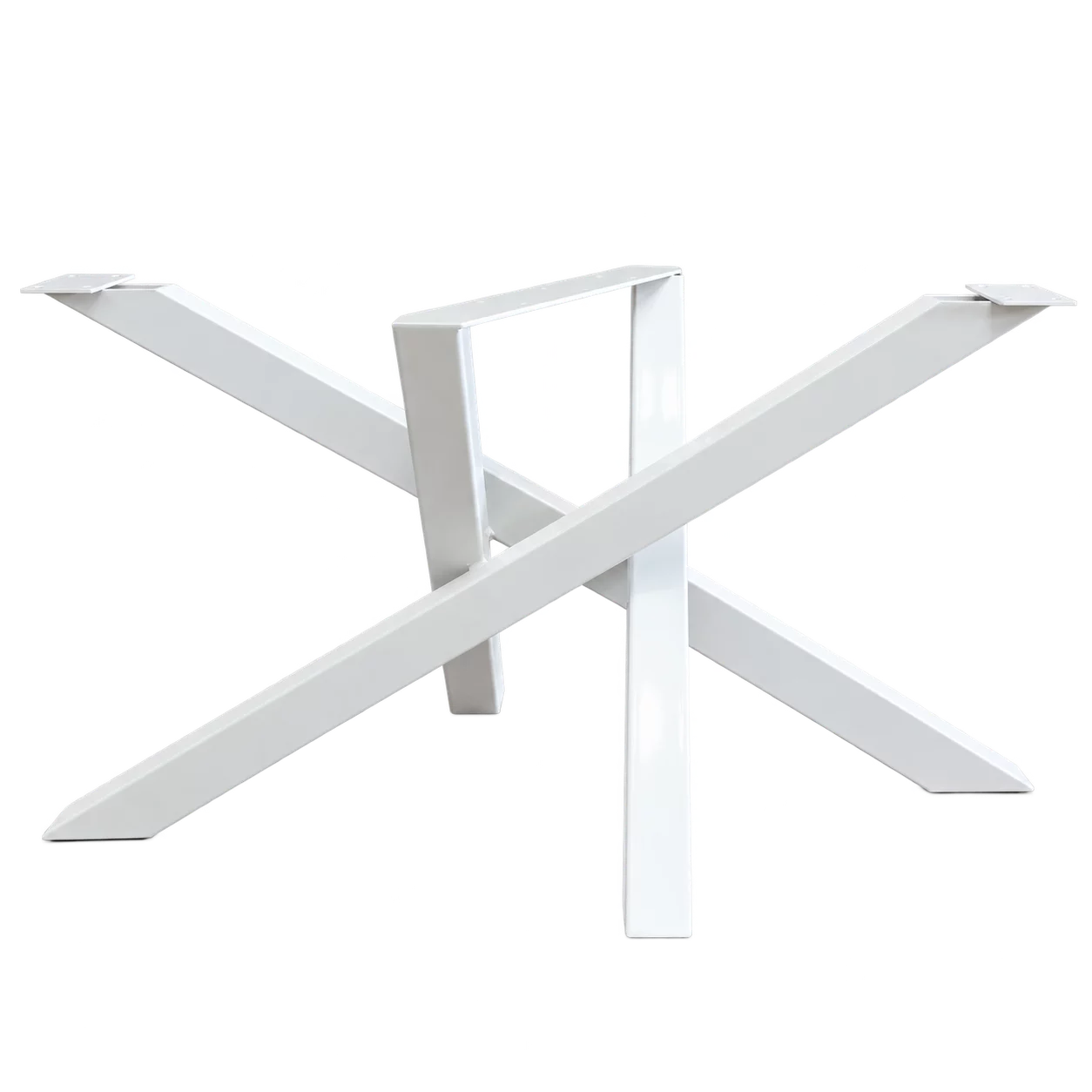
Models in this collection
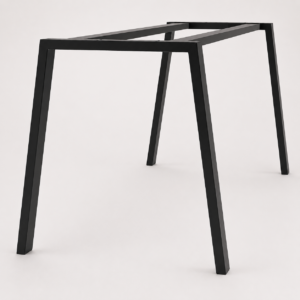
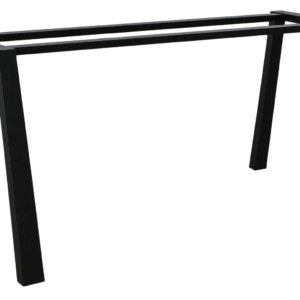
Central Bridge-Shaped Metal Table Base – 71 cm High
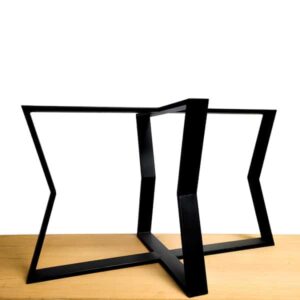
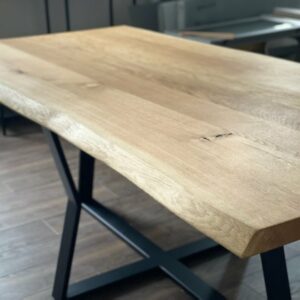
Central Double Hourglass Metal Table Base – 71 cm High
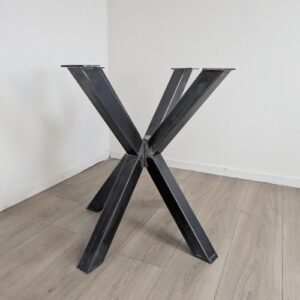
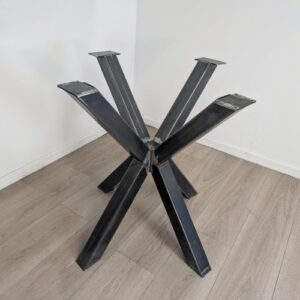
Central Metal Table Base with Crossed Arms – 71 cm High
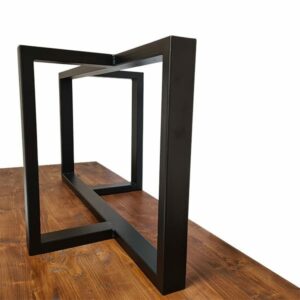
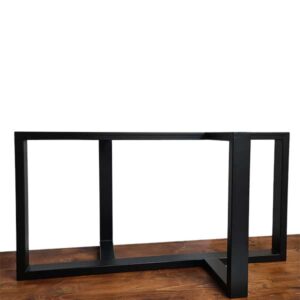
Central Metal Table Base with Offset Frames – 71 cm High
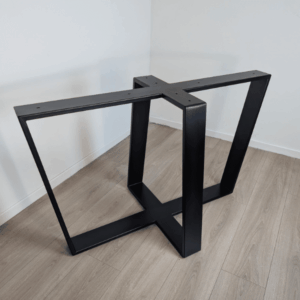
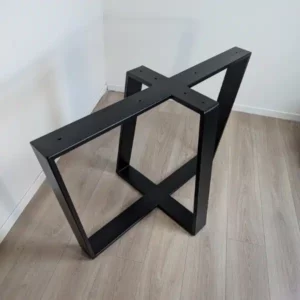
Central Metal Table Base with Trapezoidal Frames – 71 cm High
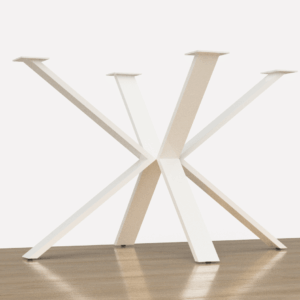
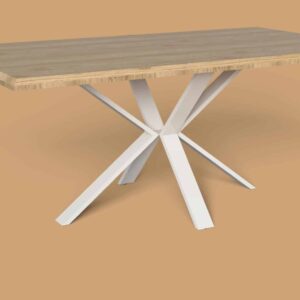
Central Mikado Metal Table Base – 71 cm High
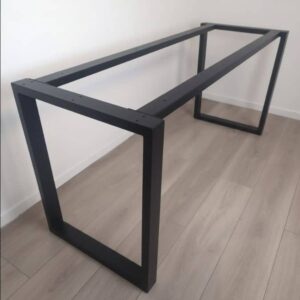
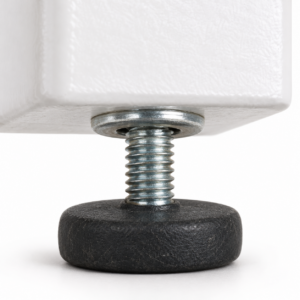
Central Rectangular Metal Table Base – 71 cm High
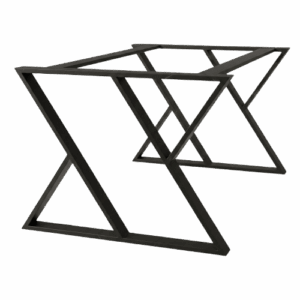
Central Sablier 2 Metal Table Base – 71 cm High
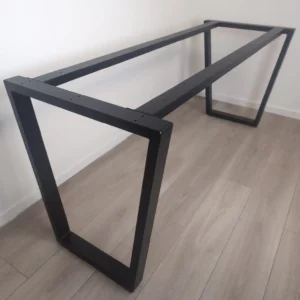
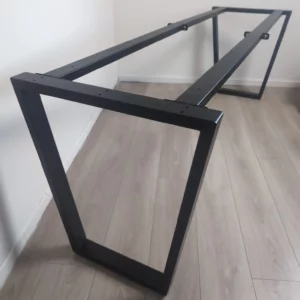
Central Trapèze 1 Metal Table Base – 71 cm High
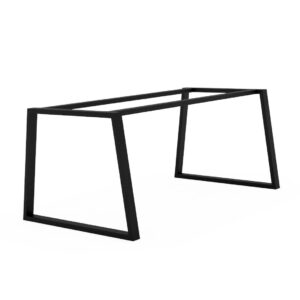
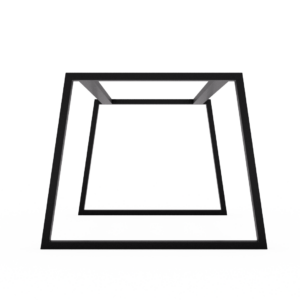
Central Trapèze 2 Metal Table Base – 71 cm High
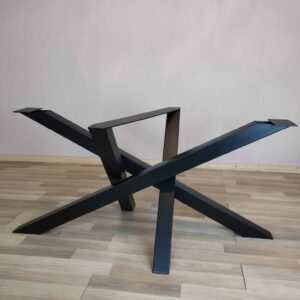
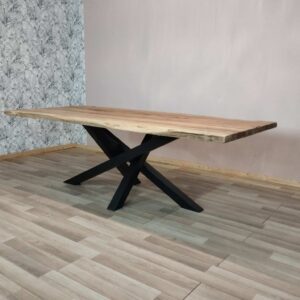
Central Welded Mikado Metal Table Base – 71 cm High
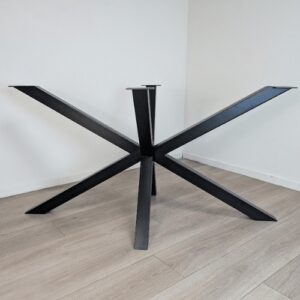
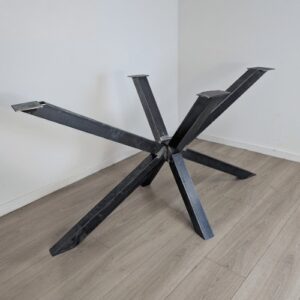
Central X-Shaped Metal Table Base – 71 cm High
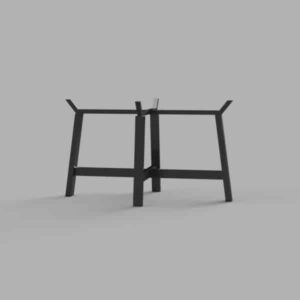
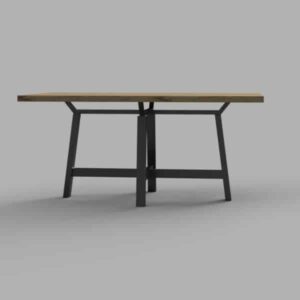
Tiered Central Metal Table Base – 71 cm High
CHOOSING THE RIGHT DESIGN · Central table base
How do you choose a central table base?
Room all around the table
Compare the tabletop diameter with the footprint of the table base, then position the chairs around it.
Guidance for a round table ↗OVAL OR RECTANGULAR TABLETOPSupports proportionate to the tabletop
For an elongated tabletop, examine the span at the ends and the position of the branches before choosing the table base.
Plan a long tabletop ↗How much legroom is there around a central table base?
Mark out the base plate or branches at floor level, then arrange the chairs around them. A slender column may have a substantial floor base. With a round tabletop, check clearance all around the table, not just from the front.
Checking the stability of the complete table
A vertical load rating does not describe the effect of someone leaning on the edge. The tabletop diameter or length, height, weight distribution and base all contribute to stability. A simple ratio between the width of the base and the width of the tabletop does not establish suitability for every configuration.
Round, oval or long rectangular: considering a different tabletop shape
A circular tabletop distributes the overhang evenly around the centre. An oval or long rectangular tabletop increases the span in one direction: it may require an elongated central structure or additional supports. Compare the actual outline in the guide to long and oval tabletops.
Fixing requirements are part of the decision
The mounting plate must be compatible with the tabletop's surface and construction. A stone or ceramic tabletop may require an intermediate support or a particular connection. The floor base does not remove the need to address this, even when the tabletop is heavy.
THE DETAIL THAT MAKES THE DIFFERENCE
Finishes
A bright cream, a soft green or a touch of copper: coordinate your table legs with the tabletop and seating. Whether smooth, finely textured or metallic, the appearance of the finish matters just as much as the colour.
View the 15 colours and finishesColours shown on screen are indicative.
Frequently asked questions
Is a central table base suitable for a long rectangular tabletop?
Not necessarily. You need to examine the span on either side of the support, the rigidity of the tabletop and stability at the ends. An elongated central structure may have a very different footprint from a compact base. Provide the tabletop dimensions and weight when choosing the complete assembly.
What should I check on the mounting plate connecting the central base to the tabletop?
Record its dimensions, fixing holes and required contact area. It must be suitable for the underside of the tabletop, its material and any supporting frame. Compatibility of the floor base alone is not enough: the connection beneath the tabletop is also part of the decision.
Do a central table base and a single table leg mean the same thing?
A central structure can have several branches and multiple points of contact with the floor. It groups the supports in the centre without necessarily consisting of a single column.
Can a central table base accommodate additional diners?
It may keep the tabletop corners clear, but its floor base and branches still occupy floor space. Position chairs all around the table before assuming that additional seating places are available.
How do I choose the base size for a round tabletop?
Compare the base, diameter, weight, height and overhangs. There is no universal percentage that establishes suitability for every material and model: refer to the stated compatibility of your chosen table base.
Does a high load capacity prevent tipping?
No: supporting a distributed weight and resisting a force applied at the edge of the tabletop are two different matters. The base and centre of gravity of the complete table also matter.
A model, a shape, an idea.