
MDO CONCEPT · ATTENTION TO DETAIL
Metal table legs for stone, marble or ceramic tabletops
Enhance your natural stone, marble, granite, engineered quartz or ceramic tabletop with a suitable metal table base. Plan the dimensions, supports and fixing method to combine the character of the material with a comfortable table.
Guidance to help you choose ↓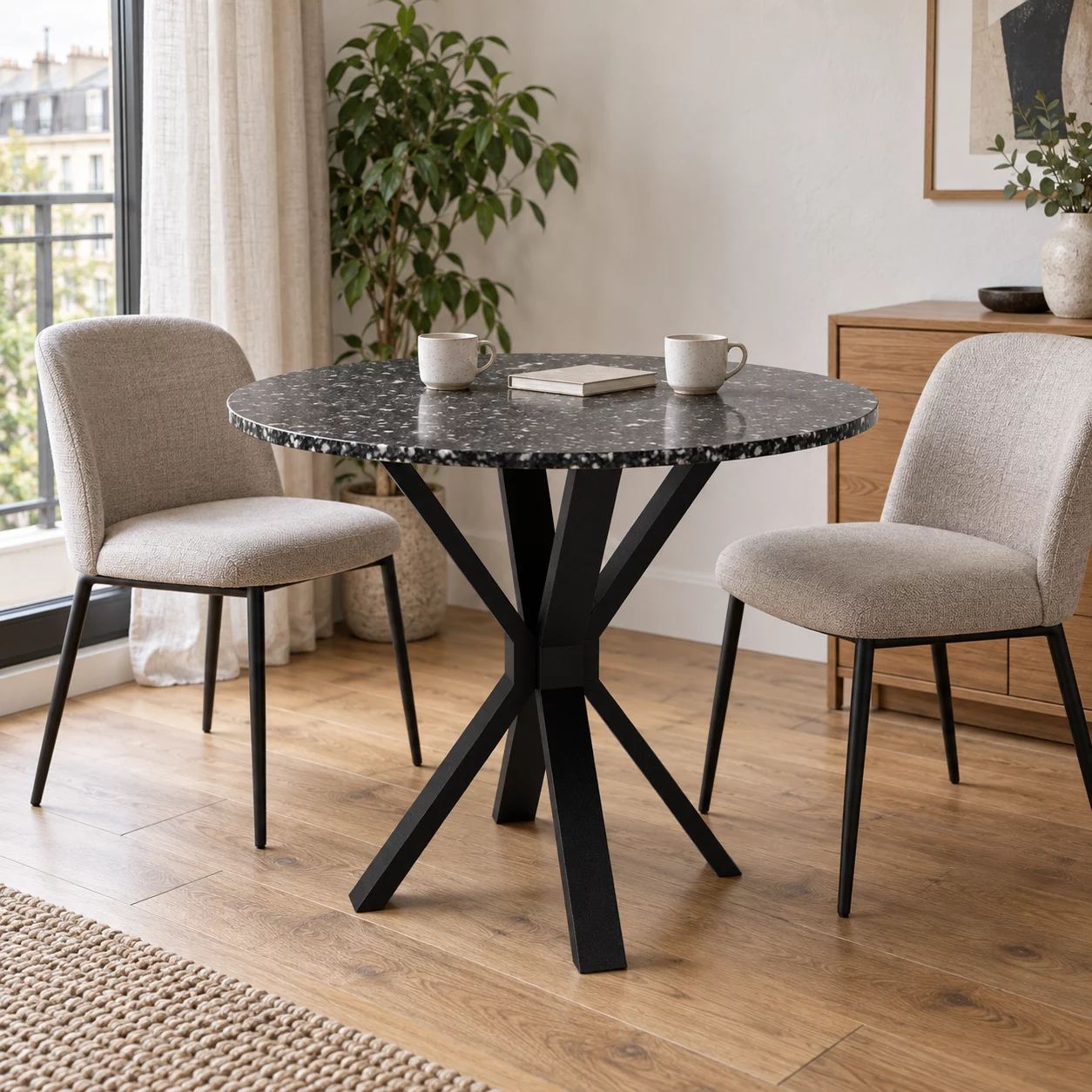
Models in this collection
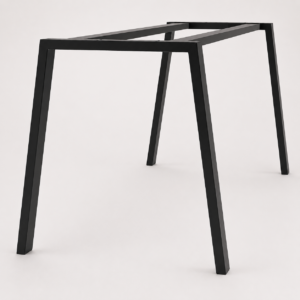
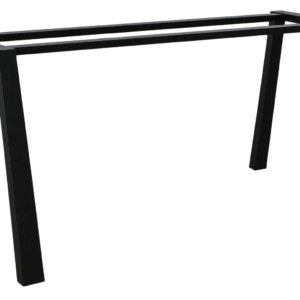
Central Bridge-Shaped Metal Table Base – 71 cm High
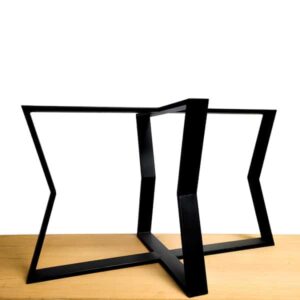
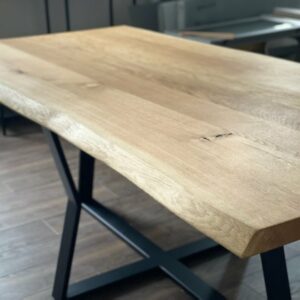
Central Double Hourglass Metal Table Base – 71 cm High
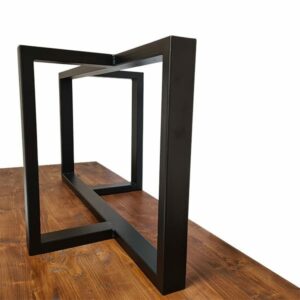
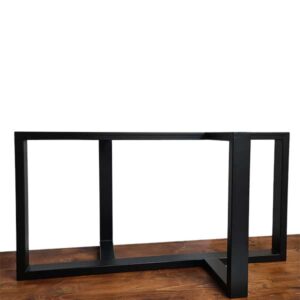
Central Metal Table Base with Offset Frames – 71 cm High
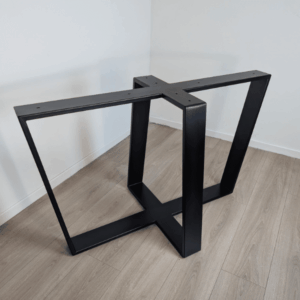
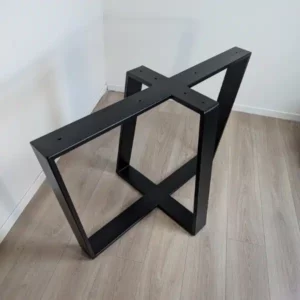
Central Metal Table Base with Trapezoidal Frames – 71 cm High
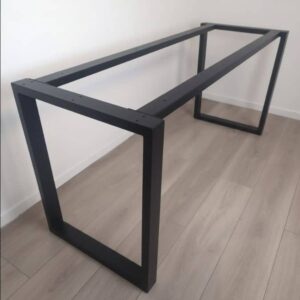
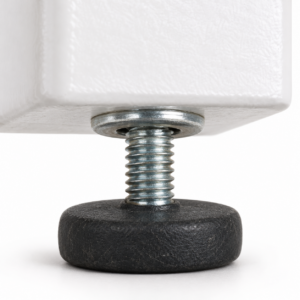
Central Rectangular Metal Table Base – 71 cm High
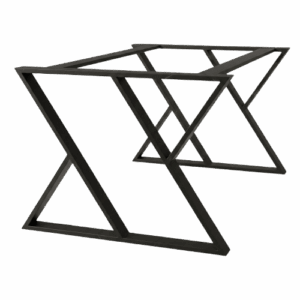
Central Sablier 2 Metal Table Base – 71 cm High
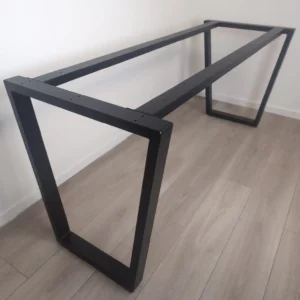
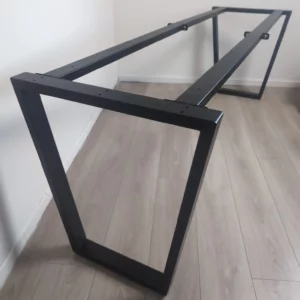
Central Trapèze 1 Metal Table Base – 71 cm High
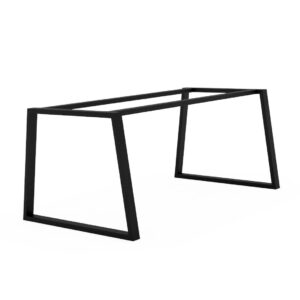
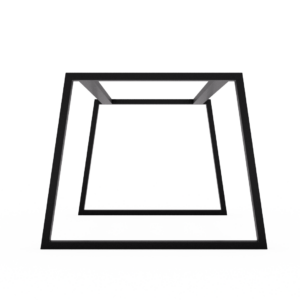
Central Trapèze 2 Metal Table Base – 71 cm High
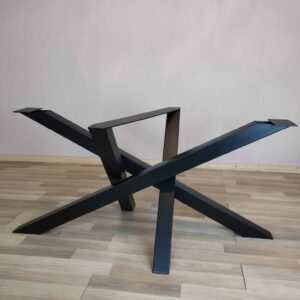
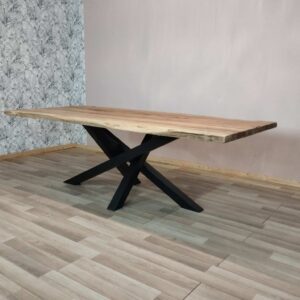
Central Welded Mikado Metal Table Base – 71 cm High
CHOOSING THE RIGHT DESIGN · Stone & ceramic
The character of stone, supported by a suitable base
LET THE MATERIAL TAKE CENTRE STAGE
A distinctive tabletop. A project considered as a whole.
Marble veining, subtle variations in stone, a quartz surface or the slender appearance of ceramic: coordinate the metal with the tabletop, then define the supports and connection together.
Natural stone, marble, granite, quartz or ceramic
Marble, granite and travertine are natural stones. Engineered quartz, ceramic and ultra-compact surfaces are different materials, each with its own installation requirements. A stone-effect finish may also cover a panel.
Identify the exact product reference and the complete construction of the tabletop, including any reinforcements or existing support. Its appearance and the visible thickness of its edge are not enough to determine the mounting method.
Two possible mounting methods: bonding or an intermediate panel
Depending on the intended system, the connection may be made using a suitable adhesive between the tabletop and a fixing component, or by bonding a panel beneath the tabletop into which the legs are screwed. These methods must be approved for the materials and assembly concerned.
Where an additional panel is fitted, its material, surface area, thickness and connection to the tabletop all form part of the structure. Screws must remain within the usable depth of the panel without reaching the stone or mineral-based tabletop. Simply bonding a piece of wood underneath is not a universally suitable solution.
For adhesive bonding, have the compatible product, surface preparation, application conditions and curing time specified. Adhesive does not replace any necessary supports or reinforcements.
Weight is not the whole story: distributing the supports
Not all table legs are suitable for a marble, stone, quartz or ceramic tabletop. Have the model's compatibility with your tabletop and its mounting method confirmed before ordering. A leg capable of supporting a given load does not guarantee that the tabletop will be properly supported. Its fragility, the span between supports and its overhangs must also be taken into account. The tabletop supplier must specify the necessary supports and reinforcements.
A central table base and two frames distribute support differently. For a round tabletop or a rectangular or oval tabletop, provide the drawing and fixing positions before making your choice.
Planning your project before ordering
Gather the tabletop's length, width or diameter, actual thickness, weight and product reference. Include a photograph of its underside, your desired finished height and the manufacturer's requirements.
For a kitchen island with a dining area, knee clearance and the permitted overhang must be considered together. Choose the seating arrangement after defining the supports.
THE DETAIL THAT MAKES THE DIFFERENCE
Finishes
A bright cream, a soft green or a touch of copper: coordinate your table legs with the tabletop and seating. Whether smooth, finely textured or metallic, the appearance of the finish matters just as much as the colour.
View the 15 colours and finishesColours shown on screen are indicative.
Frequently asked questions
Can the legs be bonded directly beneath the tabletop?
Only if this mounting method is intended and approved for the materials concerned. The bonding area, forces involved, adhesive and its application must all be suitable; not every tabletop allows this mounting method.
What is the purpose of a board bonded beneath the tabletop?
An intermediate panel can provide a fixing surface into which the legs can be screwed. Its design and bonding method must be suitable for the tabletop; its thickness must allow the screws to be fitted without reaching the stone or ceramic.
Is quartz fixed in the same way as marble?
Not necessarily. Engineered quartz, natural stone and ceramic may require different supports and bonding products. Follow the requirements specific to the tabletop's product reference.
Which adhesive should be used?
There is no single adhesive suitable for every tabletop and table base. Have its compatibility with both surfaces, the intended use and the forces involved confirmed, then follow the preparation and curing instructions.
Can the tabletop be drilled to attach the legs?
Do not apply a fixing method intended for wood to a stone or mineral-based tabletop. Any drilling or threaded insert must form part of the system specified by the manufacturer and be installed using suitable equipment and methods.
A model, a shape, an idea.