
MDO CONCEPT · ATTENTION TO DETAIL
Trapezoidal metal table legs
Metal trapezoidal table legs to add character to a dining table or desk. Compare the height, upper and lower widths and finishes when planning your project. The angled uprights also make it important to check the space for chairs and the tabletop fixings.
Guidance to help you choose ↓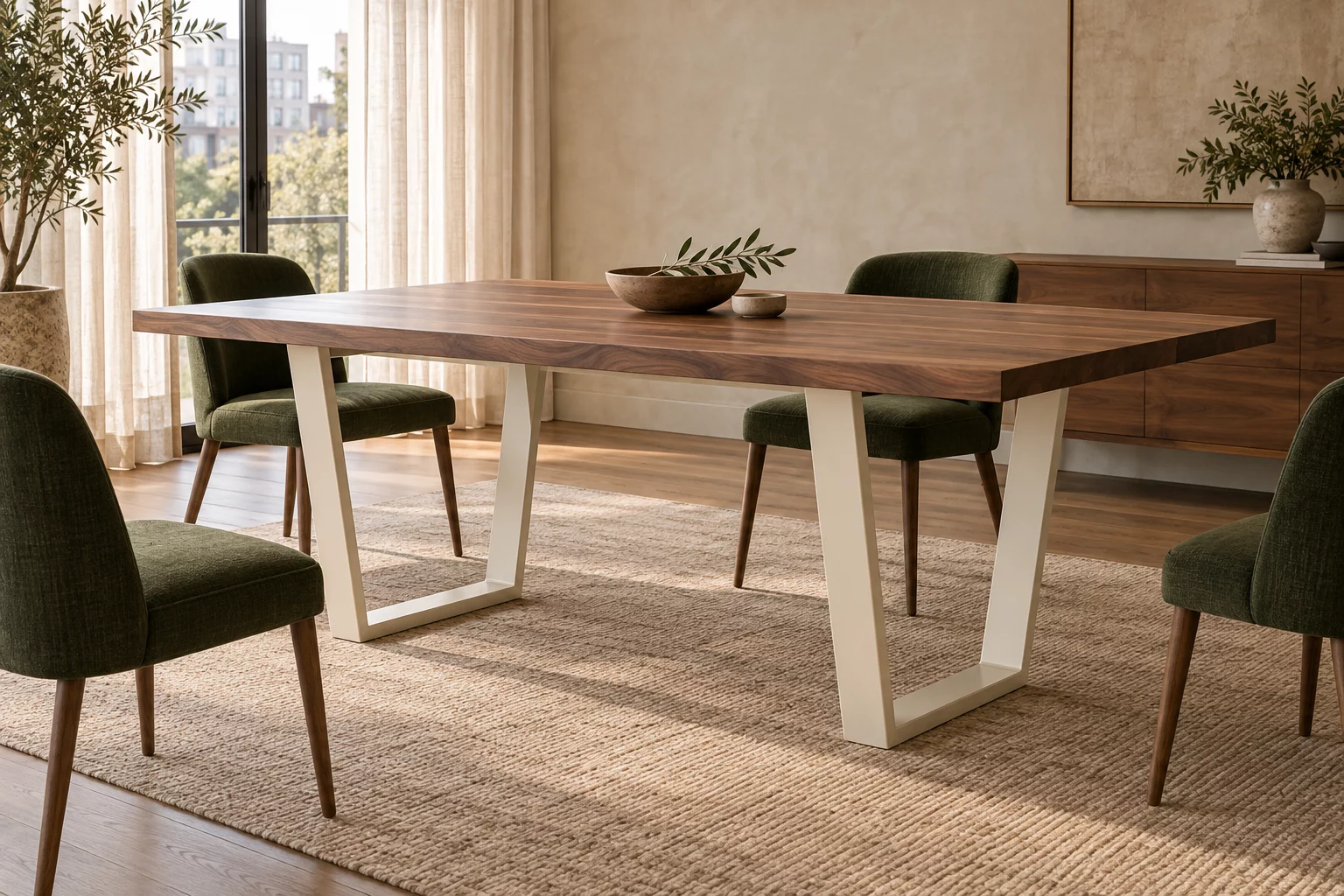
Models in this collection
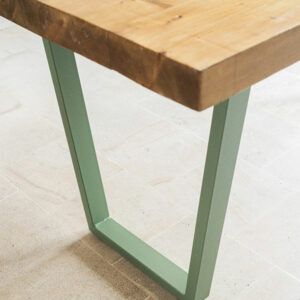
Trapèze 1 Metal Table Leg – 110 cm High
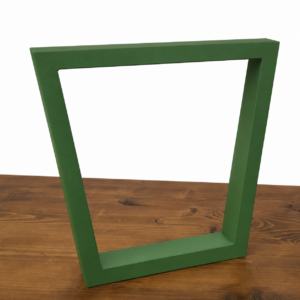
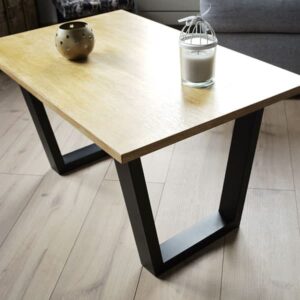
Trapèze 1 Metal Table Leg – 40 cm High
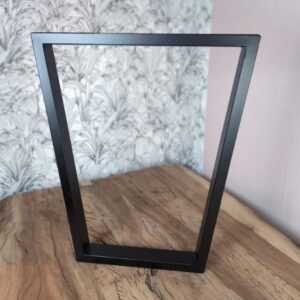
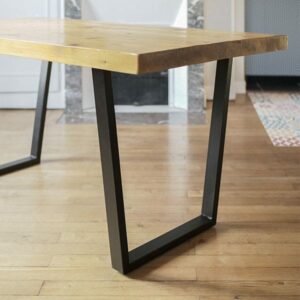
Trapèze 1 Metal Table Leg – 71 cm High
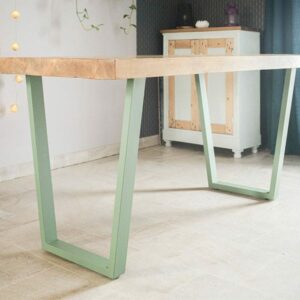
Trapèze 1 Metal Table Leg – 90 cm High
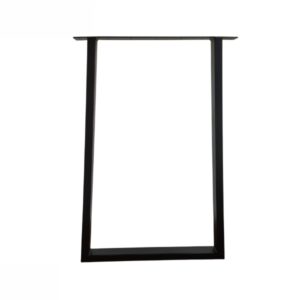
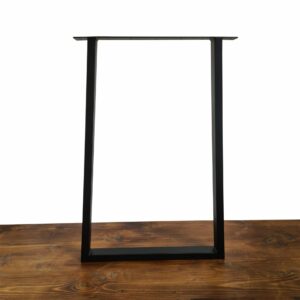
Trapèze 2 Metal Table Leg – 110 cm High
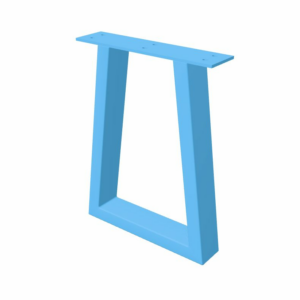
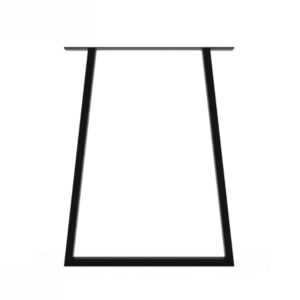
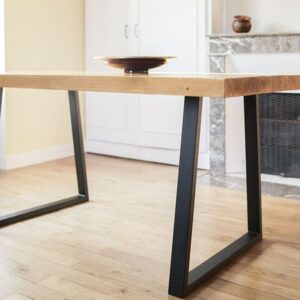
Trapèze 2 Metal Table Leg – 71 cm High
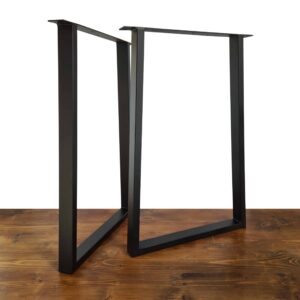
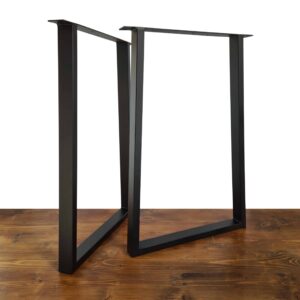
Trapèze 2 Metal Table Leg – 90 cm High
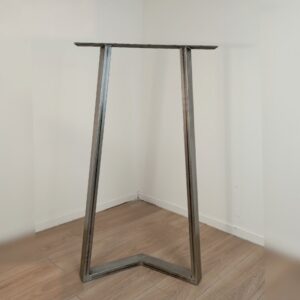
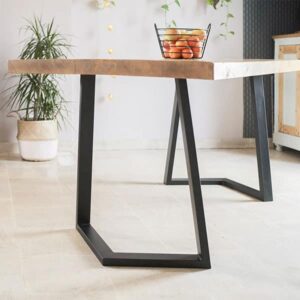
Trapèze M Metal Table Leg – 110 cm High
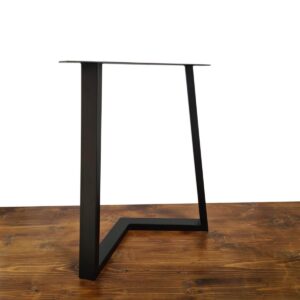
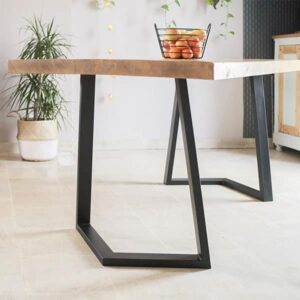
Trapèze M Metal Table Leg – 71 cm High
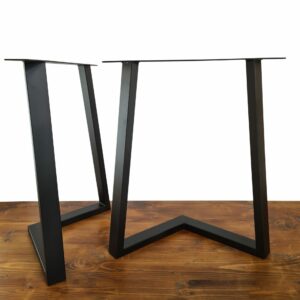
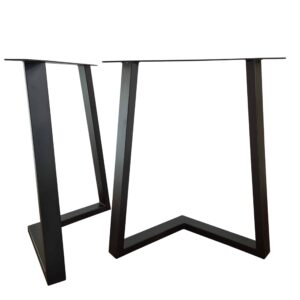
Trapèze M Metal Table Leg – 90 cm High
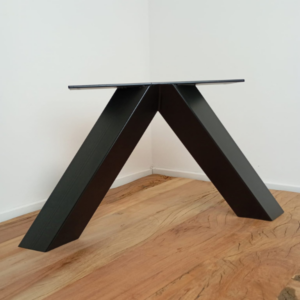
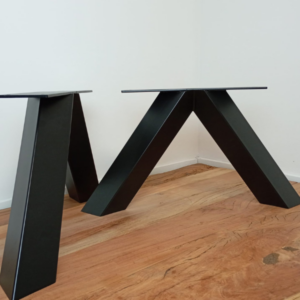
Trapezoidal Metal Table Leg – 37 cm High
CHOOSING WELL · Trapèze
The Trapezoidal Design: Two Widths and an Angle to Choose
AN ANGLED DESIGN, A CAREFULLY PLANNED PROJECT
Trapezoidal Style with Room to Move Around the Table
The angled uprights add character to the tabletop. To choose the right model, measure both widths of the frame and check the clearance at seating height.
Compare the Three Dimensions
Height, width beneath the tabletop and width at floor level together define the table leg. Include the space occupied by the mounting plates: a single width is not enough to confirm that your installation is suitable.
Plan Your Bespoke Dimensions →Keep Seating Comfortable
Position the chairs and check knee clearance before fixing the legs. An angled upright or low crossbar may obstruct seating at the end of the table, even if the frame appears wide enough.
View the Guidelines for a Dining Table →Before installation, also consult the fixings suited to your tabletop.
Upper and Lower Widths: Avoiding Confusion
Specify which width you mean when comparing two models. Some dimensions refer to the section beneath the tabletop, while others describe the floor space occupied. The dimensioned drawing must also show the mounting plates: they are not always contained within the visible width of the tube.
Check Knee Clearance at the Right Height
The angled uprights cause the opening to vary. Position the chair in a front view and compare the space at knee and armrest height. Rectangular frames are an alternative worth considering if you want a more consistent opening.
Choosing Bespoke Proportions
Widening only the upper section changes the angle; increasing the height without widening the base also changes the design. Ask for the complete set of dimensions rather than simply enlarging a photograph. The visible width of the tube section contributes to the style but is not enough to establish its strength.
With a Long Tabletop and Seating at the Ends
The shape alone does not determine how far the supports should be set back. For a dining table, mark out the people seated at the ends and the clear span between the legs. If the tabletop is made of solid wood, the positioning must also accommodate its fixings and natural movement.
THE DETAIL THAT MAKES THE DIFFERENCE
Finishes
A bright cream, a soft green or a touch of copper: coordinate your table legs with the tabletop and seating. Whether smooth, finely textured or metallic, the appearance of the finish matters just as much as the colour.
View the 15 colours and finishesColours shown on screen are indicative.
Frequently asked questions
How Should a Trapezoidal Table Leg Be Positioned Beneath an Oval Tabletop?
Transfer the actual outline of the tabletop onto the mounting plate layout. Towards the rounded ends, the available width decreases: check that the fixings remain within a suitable area and that the legs do not obstruct seating at the ends. The maximum tabletop width alone is not enough to choose the frame.
Does a Thinner Tube Section Only Change the Appearance?
No. It also changes the characteristics of the model. The tube section must remain compatible with the tabletop configuration and the manufacturer's recommendations.
Which Width Should I Specify for a Trapezoidal Table Leg?
Specify whether you mean the upper width beneath the tabletop or the lower width at floor level. These differ; the model's drawing and measurement conventions help prevent a misunderstood order.
Does a Trapezoidal Table Leg Provide as Much Clearance as a Rectangular One?
The opening varies with height because of the angled uprights. Compare the clearance at knee and armrest level, not just the opening near the floor.
Can a Trapezoidal Table Leg Be Turned Upside Down to Have the Wider Side at the Bottom?
Not without checking the design. The mounting plate, supports and joints have specified positions; an inverted installation should not be decided on appearance alone.
How Can I Maintain Balanced Proportions with Bespoke Dimensions?
Specify the desired upper and lower widths, height and tube section. Have the drawing confirmed: changing a single dimension can alter the angle of the uprights and the floor space required.
A model, a shape, an idea.