
A Table Within Easy Reach.
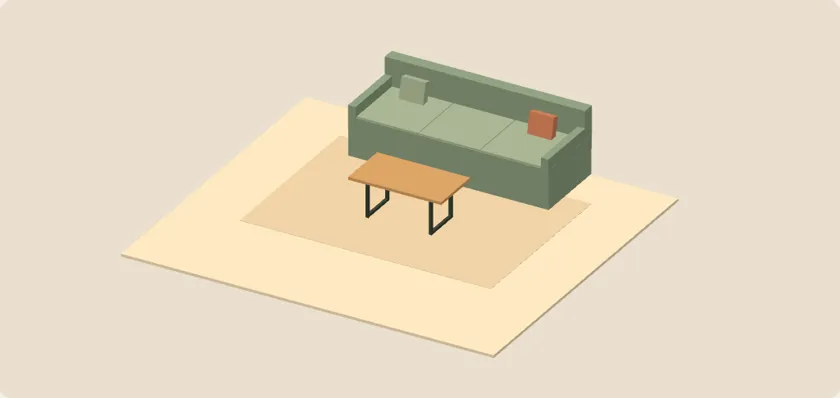
Consider the height of the tabletop in relation to the sofa seat. Imagine putting down a glass, picking up a book and standing up: the right height depends on how you use your living room.
Find the Right Height ↓
MDO CONCEPT · ATTENTION TO DETAIL
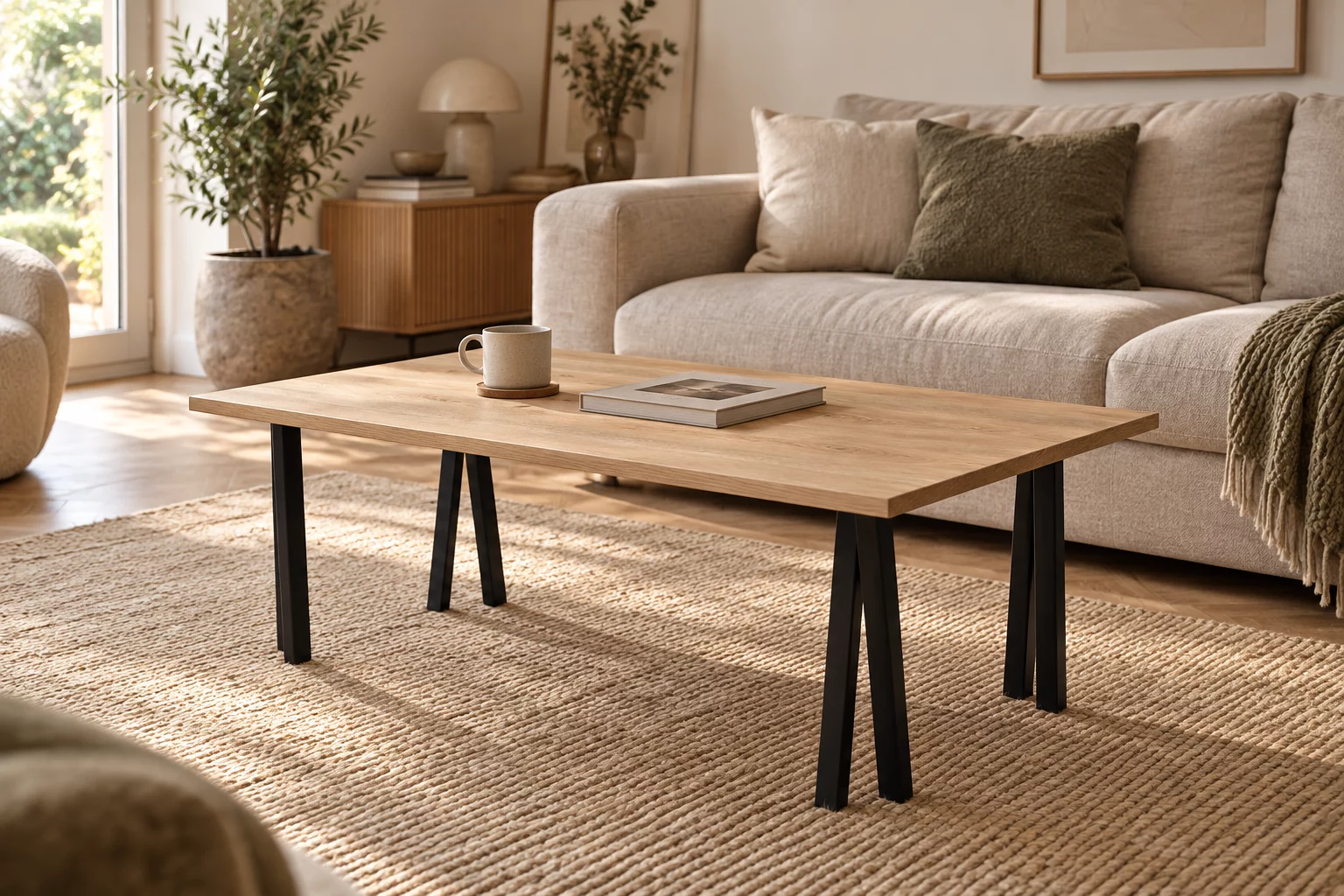
Metal coffee table legs to help you arrange your living room around the sofa. Compare shapes, finished furniture height and finishes to suit your tabletop. Find practical guidance on choosing supports, keeping walkways clear and planning your project.
Guidance to help you choose ↓
CHOOSING WELL · Coffee Table
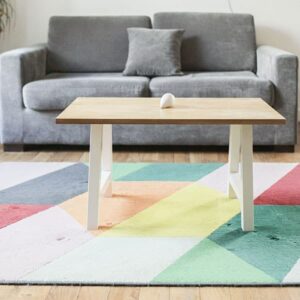
Compare the tabletop height with your sofa seat height, then move the table in front of a straight or corner sofa.

With 40 cm table legs and a 3 cm tabletop, the table is 2 cm lower than a 45 cm sofa seat.
YOUR LIVING ROOM, YOUR WAY

Consider the height of the tabletop in relation to the sofa seat. Imagine putting down a glass, picking up a book and standing up: the right height depends on how you use your living room.
Find the Right Height ↓
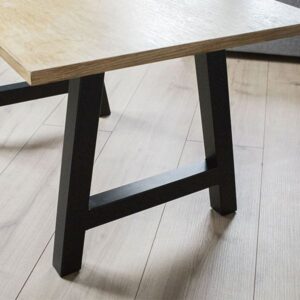
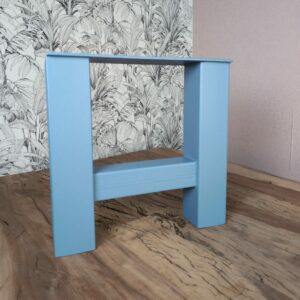
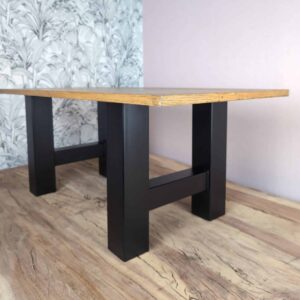
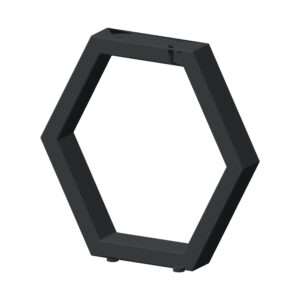
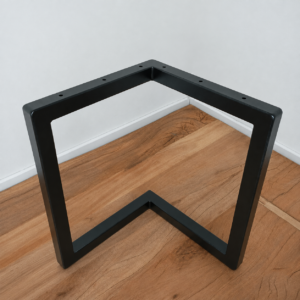
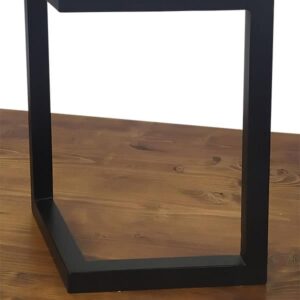
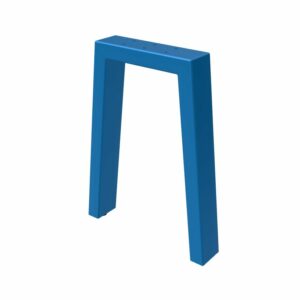
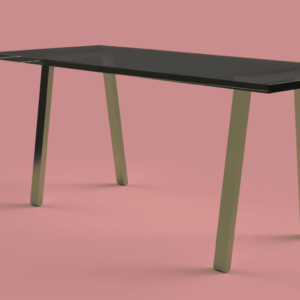
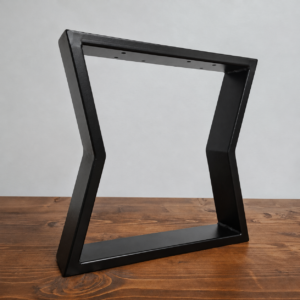
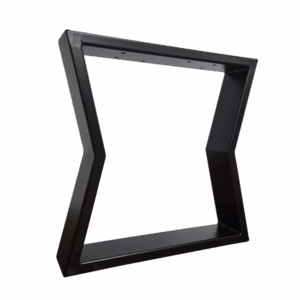
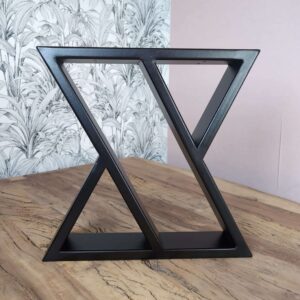
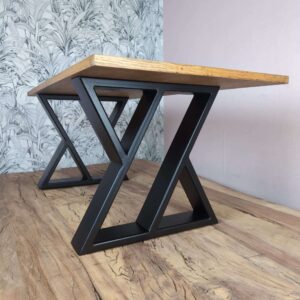
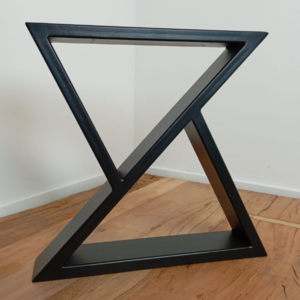
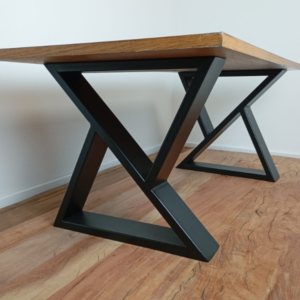
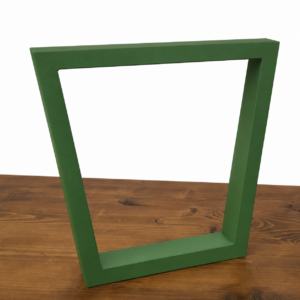
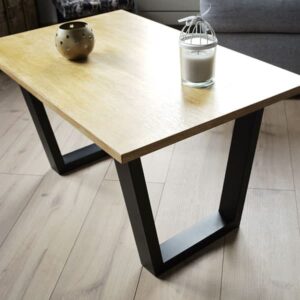
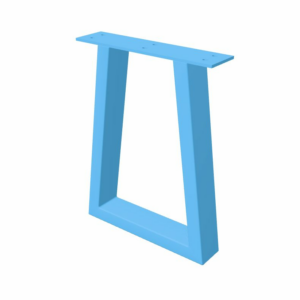
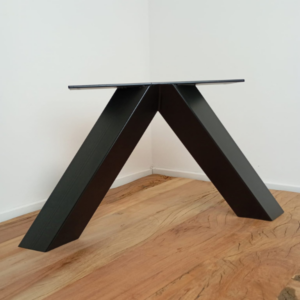
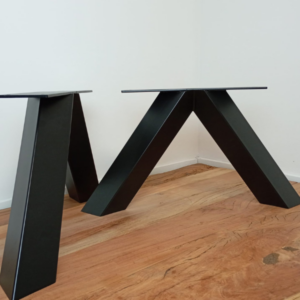
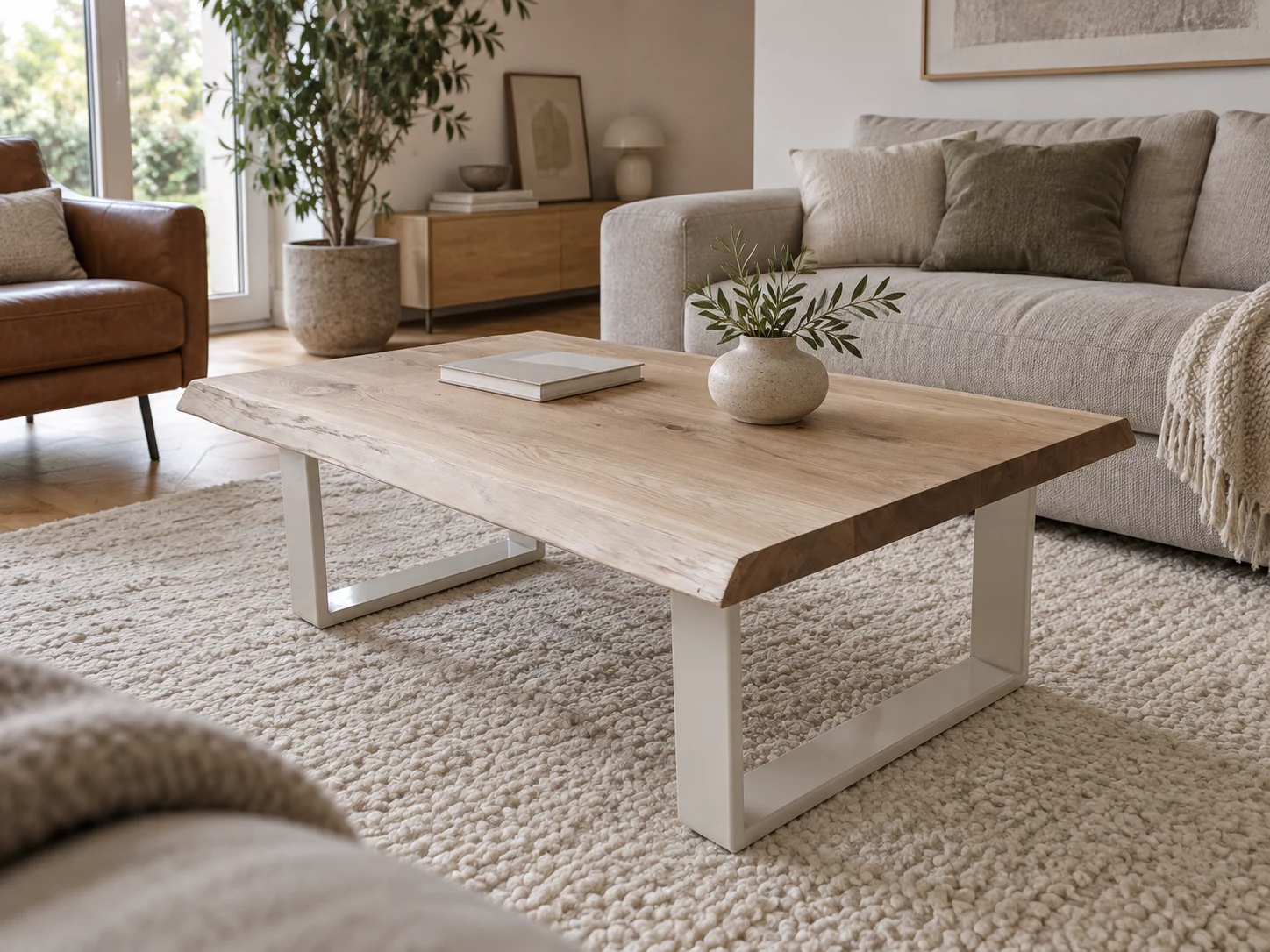
Two frames and separate legs create different furniture designs. Compare the supports and tabletop overhangs, as well as the space available for your feet and for cleaning underneath.
Compare Table Leg Shapes ↗Examples of room layouts and table bases. Available dimensions and finishes are specified on each product page.
The important measurement is the height of the top of the tabletop relative to the sofa seat. A table level with the seat or slightly lower is a starting point to try, depending on whether you use it for a book, a glass or a meal tray.
A 40 cm table leg with a 3 cm tabletop gives a finished height of 43 cm, including integrated foot pads. If your sofa is very low, this arrangement may seem too high: you should then choose a different leg height rather than ignore the tabletop thickness.
Mark out the table's outline on the floor and sit in the different positions on your sofa. Try standing up, walking past and reaching the centre of the tabletop. The best position is not necessarily the one that leaves the same amount of space on each side.
With a chaise longue section, consider the space remaining in the corner. A round tabletop makes it easier to move around, while a rectangular one can follow the length of a long sofa. In both cases, check that the legs at floor level do not extend into the walkway.
Beside the sofa, a side table should also be chosen in relation to the armrest and how far you can comfortably reach. In the centre of the living room, the priority is more about having a shared surface. You do not necessarily need the same height for both.
If you are considering nesting tables, measure the clearance beneath the larger tabletop and between its legs: having two different heights is not enough to ensure the tables fit inside one another.
A stone or stone-based tabletop requires supports and a connection method suited to its material. For family use, also consider corners, protruding leg sections and the risk of catching your foot on a leg when walking past.
A storage shelf added between the legs requires its own fixings. Finally, a coffee table is not a seat: if you also want a bench, have this additional use and the strength of the complete assembly confirmed.
THE DETAIL THAT MAKES THE DIFFERENCE
A bright cream, a soft green or a touch of copper: coordinate your table legs with the tabletop and seating. Whether smooth, finely textured or metallic, the appearance of the finish matters just as much as the colour.
View the 15 colours and finishesColours shown on screen are indicative.
Level with the sofa seat or slightly lower is a common guideline. Above all, try reaching the tabletop from your sofa: a deep model, a low seat or occasional dining use may change your preference.
With a 3 cm tabletop, the top reaches 43 cm, including integrated foot pads. To achieve an exact overall height of 40 cm with this tabletop, the theoretical leg height would be 37 cm.
Start with the outline of the table and the walkway beside the chaise longue section. Then compare the floor space occupied by the legs. A base that extends into the walkway can be inconvenient even with a correctly sized tabletop.
Check both the clearance beneath the larger tabletop and the opening between its legs. The smaller table must fit entirely within this opening, including its mounting plates and leg sections.
Not necessarily in terms of shape, but often in terms of height. Choose the tabletop height in relation to the armrest and how far you can reach, rather than considering only the sofa seat height.
Do not assume so. Using a coffee table as a bench requires checks on the tabletop, joints and forces exerted by seated people, particularly at the ends. A stated load capacity for a table leg alone is not enough.
Ask about the support and connection method intended for this material. Even a small stone or stone-based tabletop cannot automatically be fixed in the same way as wood; its thickness and the presence of a support beneath the stone matter.
A model, a shape, an idea.