
MDO CONCEPT · ATTENTION TO DETAIL
Table Legs for Every Room
Choose table legs based on their intended use: dining, working, cooking or sitting. Start with your daily habits and seating before comparing shapes.
Guidance to help you choose ↓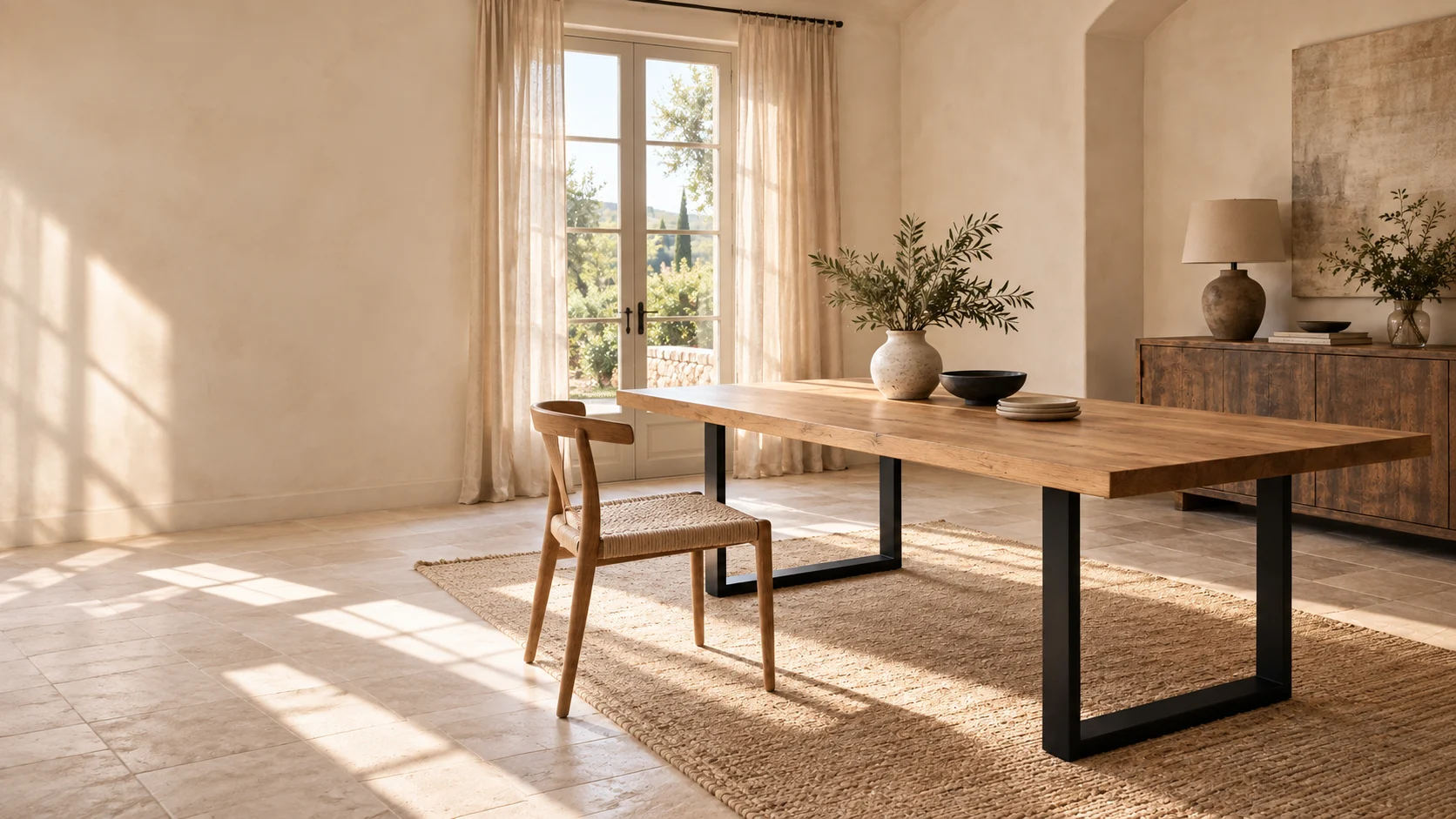
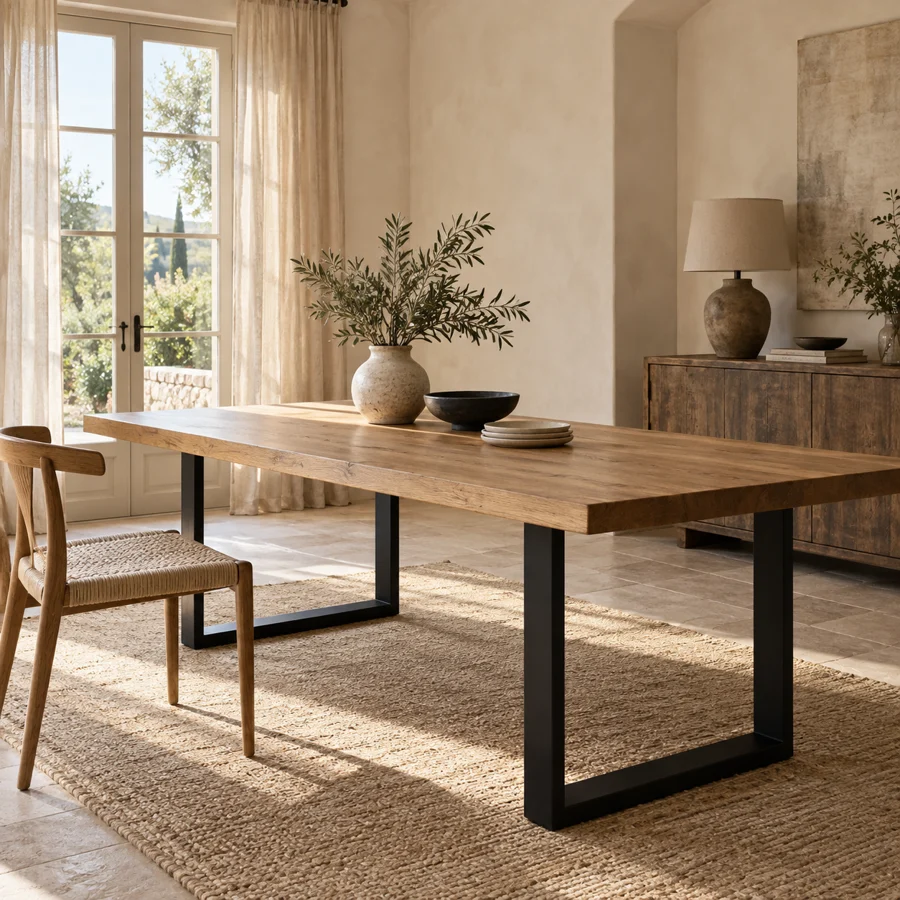
Dining Table
Where memorable meals begin.
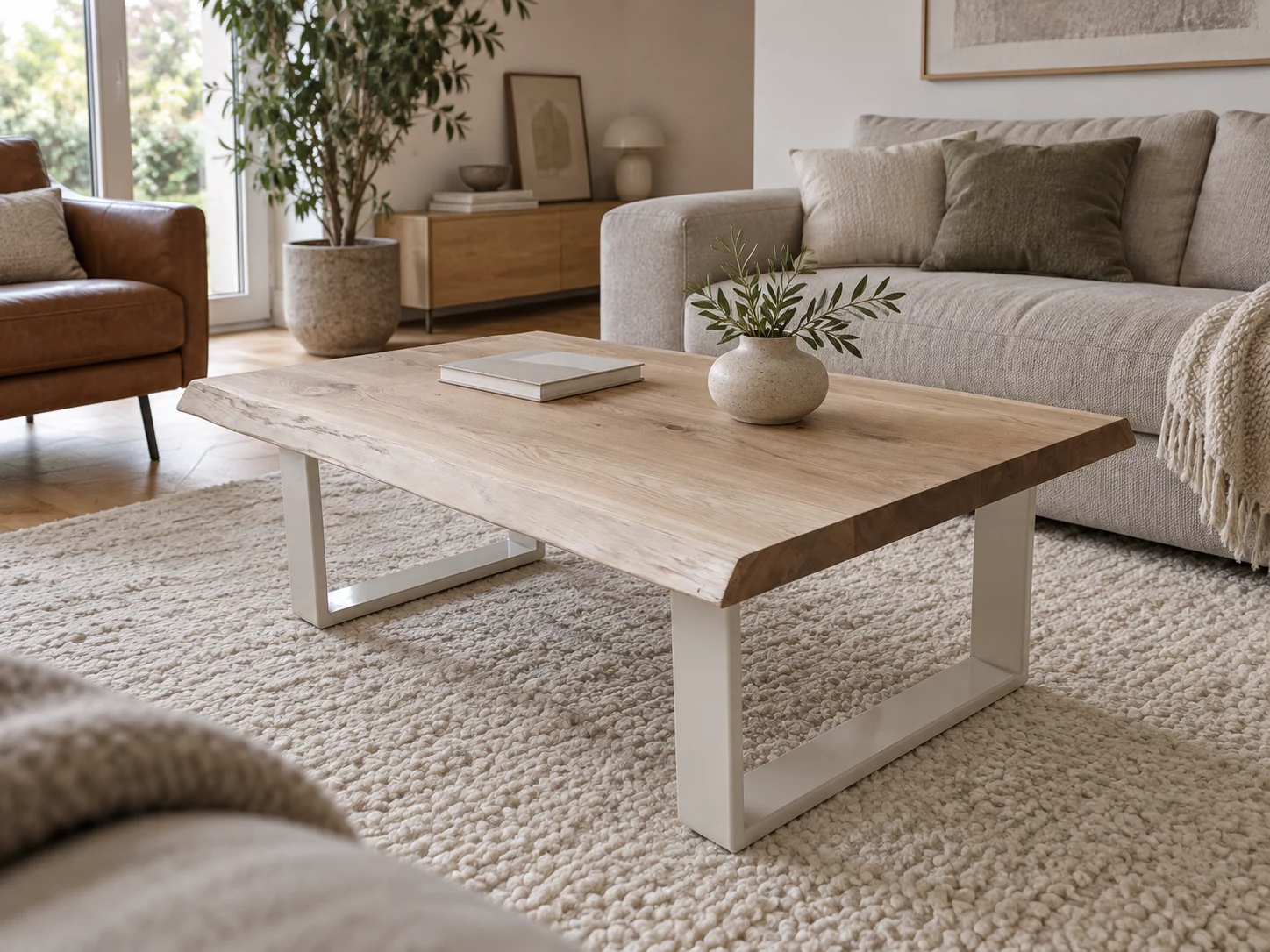
Table basse
Low lines with a distinctive presence.
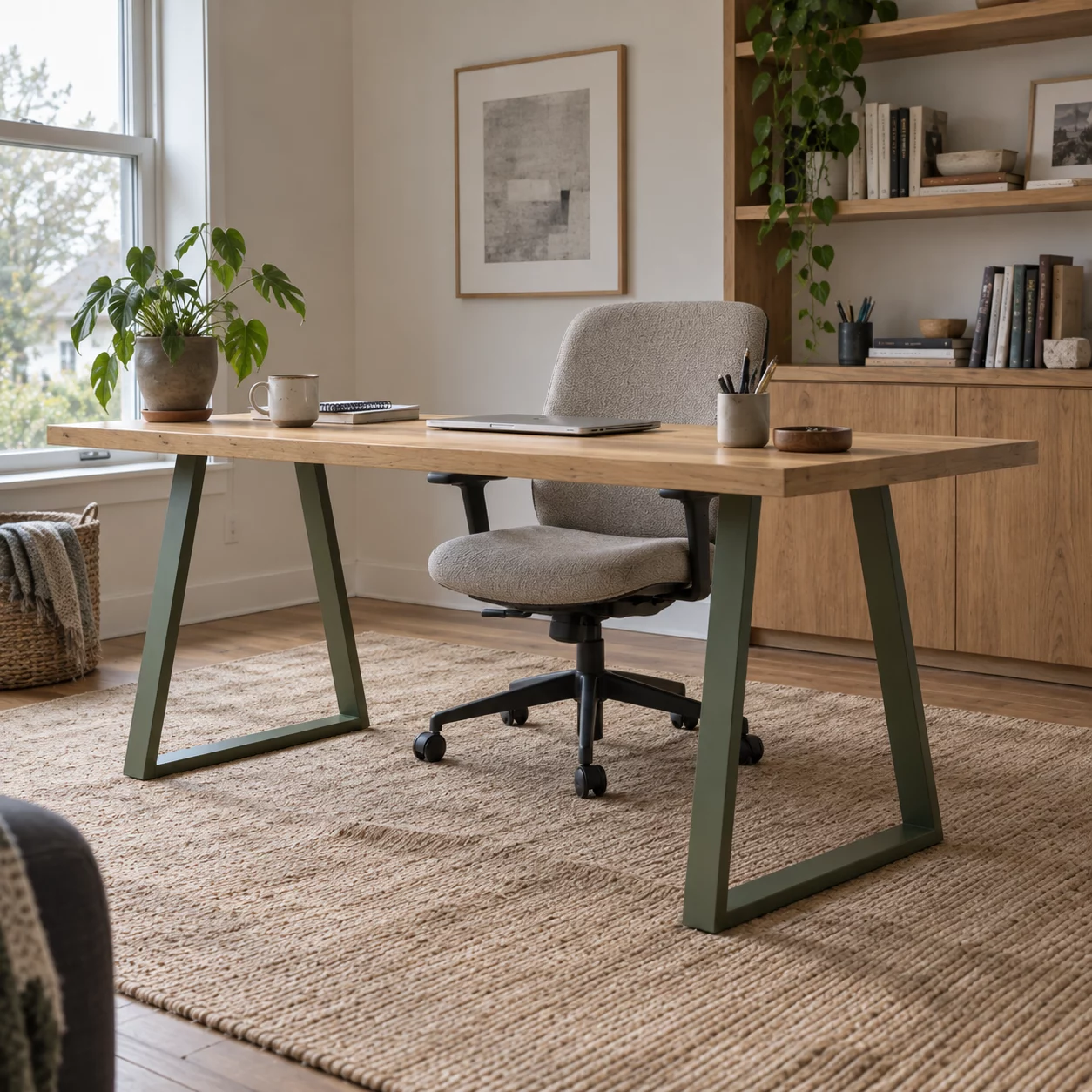
Desk
A workspace tailored to your needs.
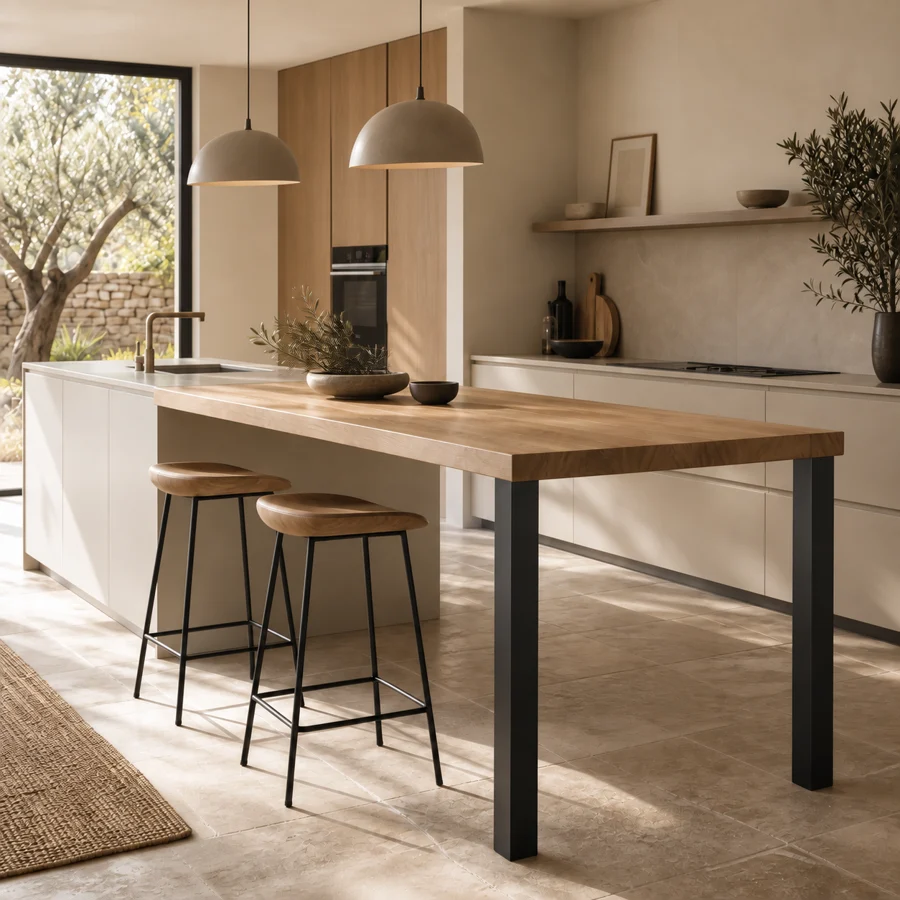
Kitchen Island
Give the heart of your kitchen a little height.
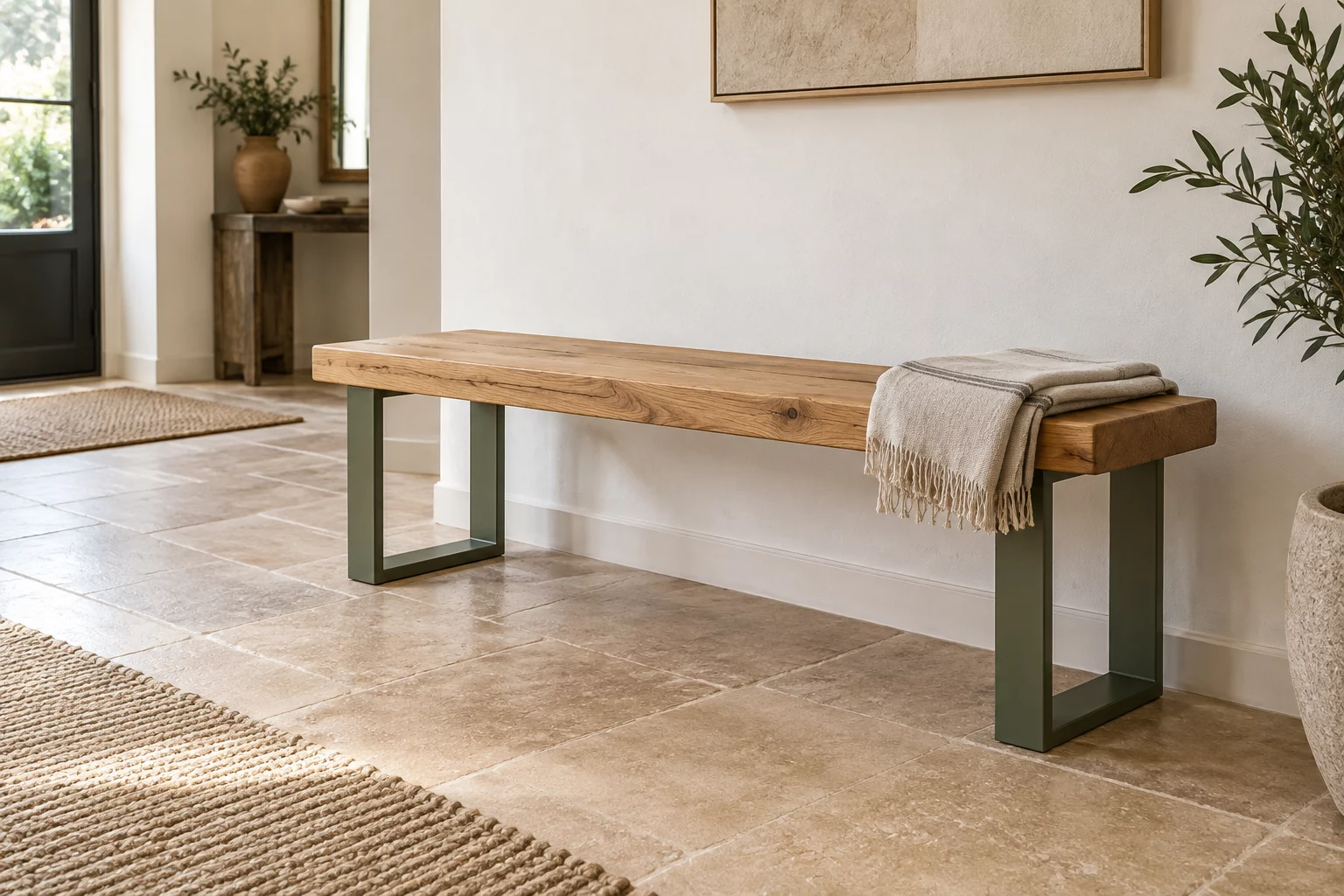
Bench
Simple seating, with a detail that makes all the difference.
Bar & Poseur Table
Enjoying time together at a higher level.
CHOOSING WELL · By Use
Which Table Legs Suit Your Everyday Needs?
Dining: Make Room for Everyone
For dining, start with the number of people and the chairs you use. Check the seating positions at the ends, knee clearance and whether the chairs can be tucked beneath the tabletop. An attractive table base should also remain comfortable for everyday use.
Compare our dining table legs, taking into account the width of the supports and the position of the mounting plates.
In the Living Room: Plan Around Your Sofa
A coffee table complements existing seating. Consider the sofa height, how far you need to reach to put down a glass and the routes between other pieces of furniture. The tabletop and legs must not obstruct movement around the room.
Discover our coffee table legs to create a piece of furniture suited to your living room.
At Your Desk: Allow Legroom and Organise the Worktop
Plan for your office chair, monitors, cables and any drawer units before positioning the legs. The mounting plates must leave enough space for equipment fixings, particularly the clamps used for monitor arms.
Choose your desk legs according to the depth of the desktop and your working position.
In the Kitchen: Connect the Worktop to the Dining Area
For a kitchen island extension, measure the height of the existing worktop and the thickness of the additional tabletop. Also check the clear space beneath the overhang: it must allow people to sit without encountering a cabinet unit or crossbar.
Explore our kitchen island legs to plan their positioning and connection to the existing furniture.
Tall Tables: Match the Table Height to Your Stools
A bar used while standing and a tall table intended for seated dining require different planning. Consider the finished tabletop height, seat height and legroom together.
Explore our legs for tall tables, bars and poseur tables, along with advice on choosing stools.
For a Bench: Choose a Base Designed for Seating
A bench must support the weight of people and the forces caused by movement. The seat length, its overhangs and the complete assembly must be suitable for this use; a coffee table leg is not automatically suitable as a bench leg.
Explore our bench legs before deciding on your seating.
Three Checks Before Choosing Your Model
The finished height: add together the table leg height, the tabletop thickness and any additional assembly components. The height of the leg alone is not the height of the finished furniture.
The tabletop: record its length, width, thickness and material. The supports and fixings must be suitable for the complete assembly, particularly for a heavy or fragile tabletop.
Comfort: position the chairs or stools and mark out where the legs will sit on the floor before fixing them in place. Then compare the table base designs and available heights.
Frequently asked questions
Can the Same Table Legs Be Used for a Table and a Desk?
Yes, provided the model, finished height, dimensions and fixings are suitable for both uses. For a desk, also check that the office chair can fit underneath and that there is enough room for the equipment.
I Already Have My Tabletop: Where Should I Start?
Measure its dimensions and establish its material, thickness and weight. Then choose the intended use and desired height, before checking the dimensions of the supports and the recommended assembly method for the model.
Should I Choose the Shape or the Intended Use First?
Start with the intended use, seating and tabletop. The shape comes next: it must allow sufficient legroom, accommodate the fixings and ensure the stability of your furniture.
What if My Project Combines Several Uses?
Take the most demanding requirements into account. A kitchen island that is also used for dining must allow you to cook, move around and sit comfortably. Compare both categories before choosing the table base.