
MDO CONCEPT · ATTENTION TO DETAIL
Metal table legs for solid wood tabletops
Pair the character of your solid wood tabletop with metal table legs. Compare shapes, dimensions and finishes to create a table that suits your taste, with supports and fixings suitable for wood.
Guidance to help you choose ↓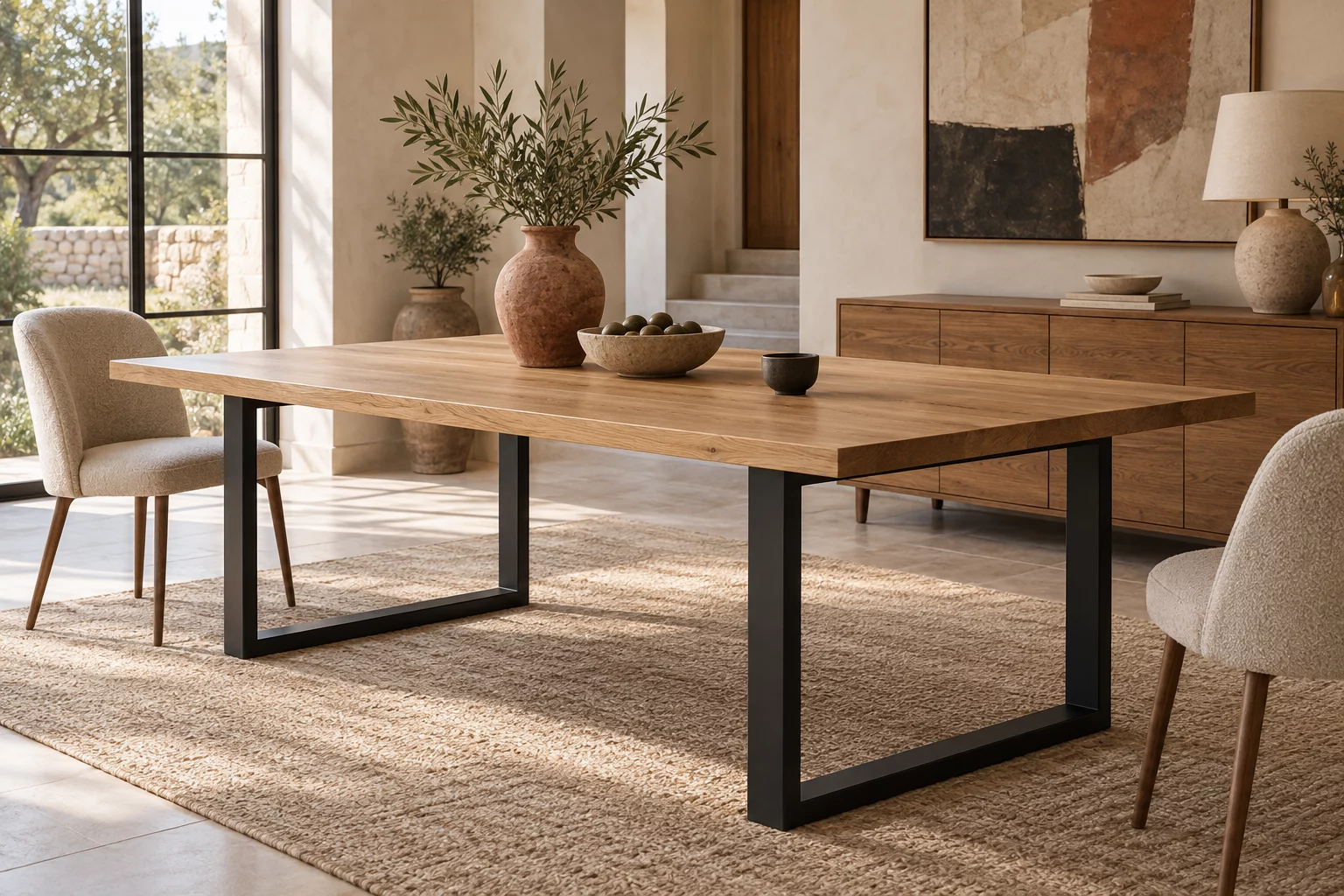
Models in this collection
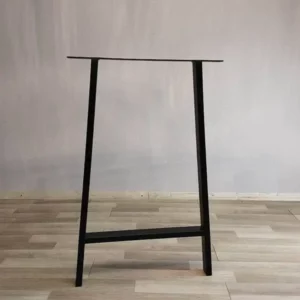
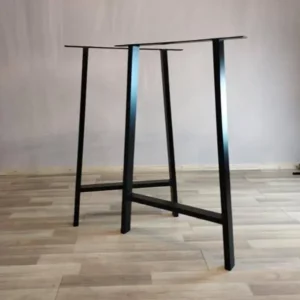
A-Shaped Metal Table Leg – 110 cm High
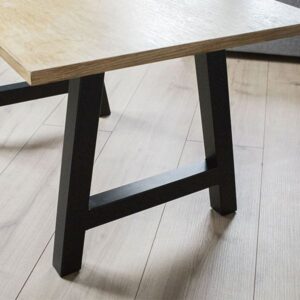
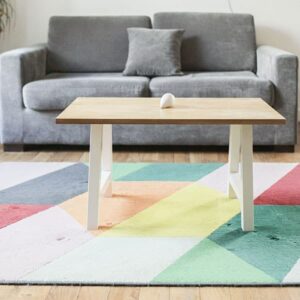
A-Shaped Metal Table Leg – 40 cm High
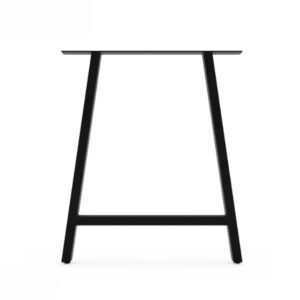
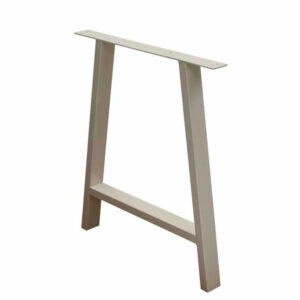
A-Shaped Metal Table Leg – 71 cm High
A-Shaped Metal Table Leg – 90 cm High
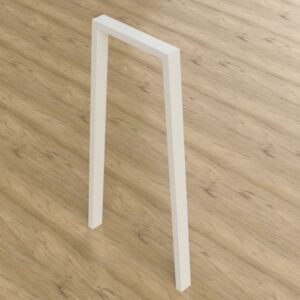
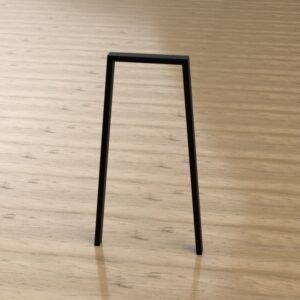
Bridge-Shaped Metal Table Leg – 110 cm High
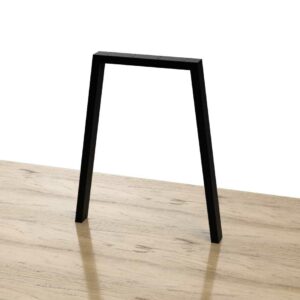
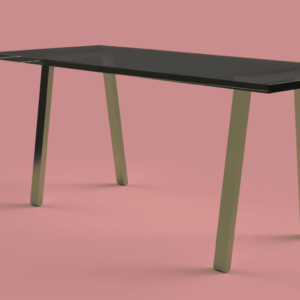
Bridge-Shaped Metal Table Leg – 71 cm High
Bridge-Shaped Metal Table Leg – 90 cm High
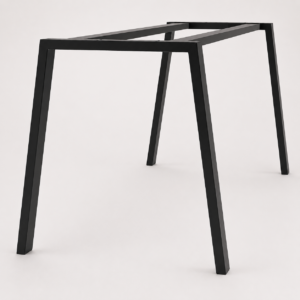
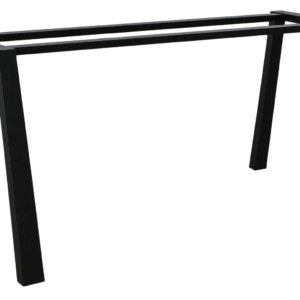
Central Bridge-Shaped Metal Table Base – 71 cm High
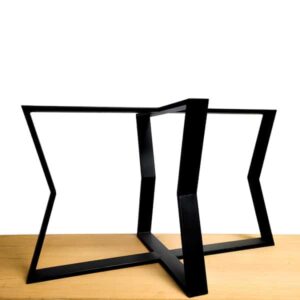
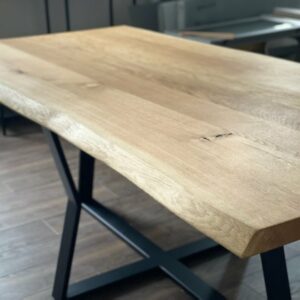
Central Double Hourglass Metal Table Base – 71 cm High
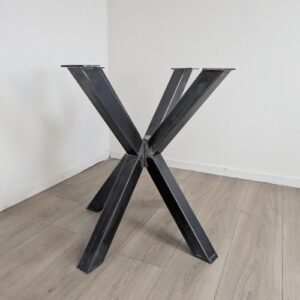
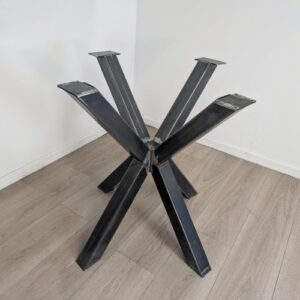
Central Metal Table Base with Crossed Arms – 71 cm High
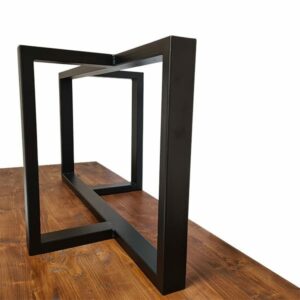
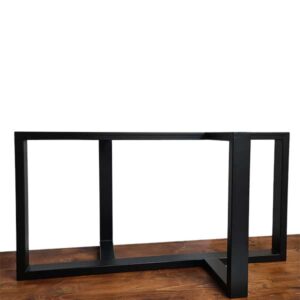
Central Metal Table Base with Offset Frames – 71 cm High
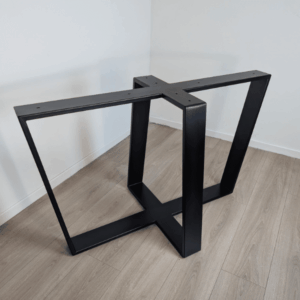
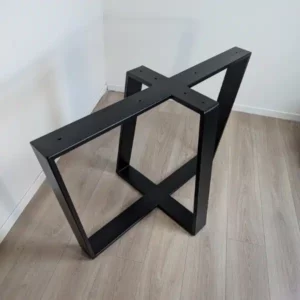
Central Metal Table Base with Trapezoidal Frames – 71 cm High
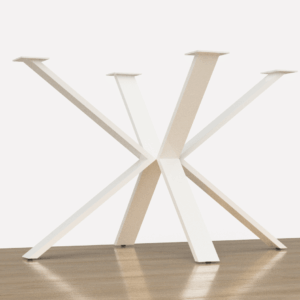
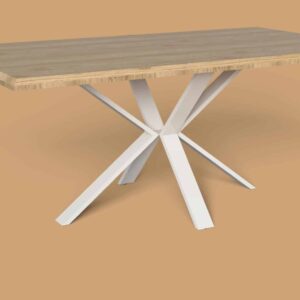
Central Mikado Metal Table Base – 71 cm High
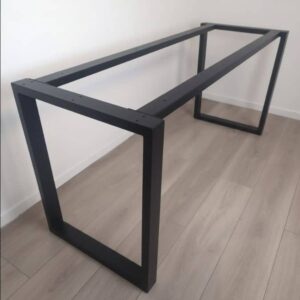
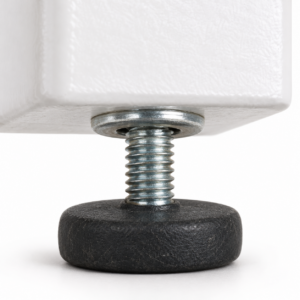
Central Rectangular Metal Table Base – 71 cm High
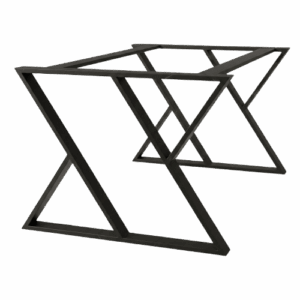
Central Sablier 2 Metal Table Base – 71 cm High
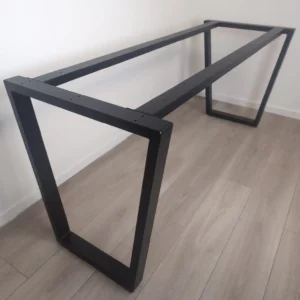
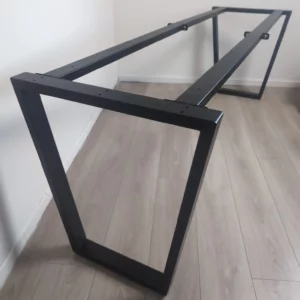
Central Trapèze 1 Metal Table Base – 71 cm High
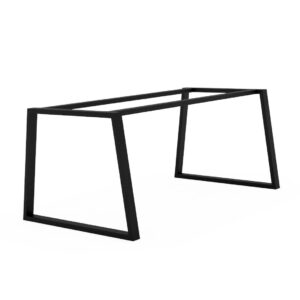
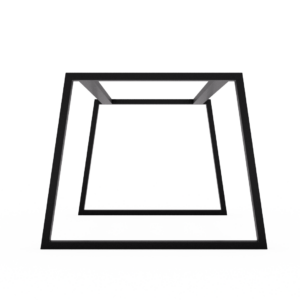
Central Trapèze 2 Metal Table Base – 71 cm High
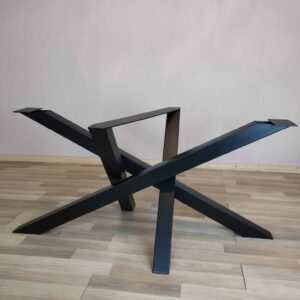
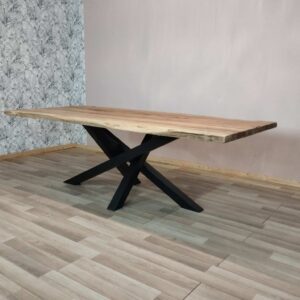
Central Welded Mikado Metal Table Base – 71 cm High
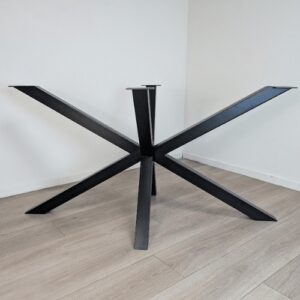
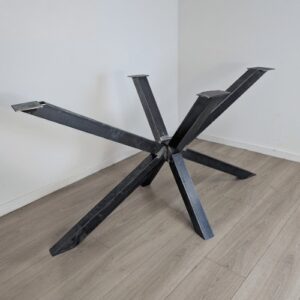
Central X-Shaped Metal Table Base – 71 cm High
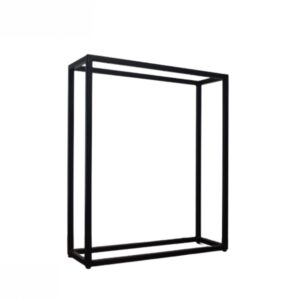
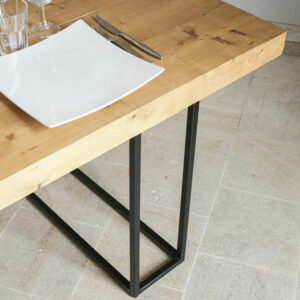
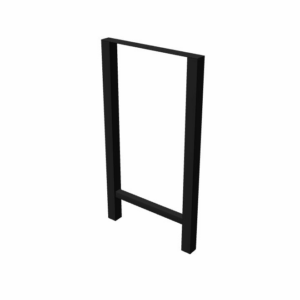
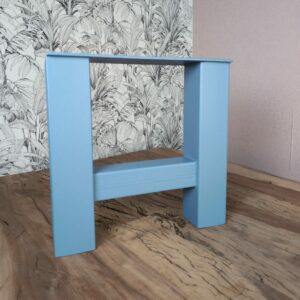
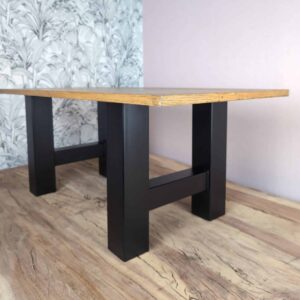
H-Shaped Metal Table Leg – 40 cm High
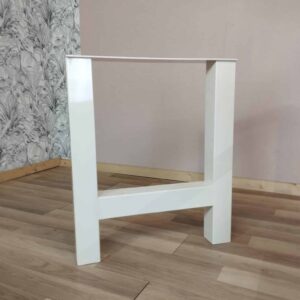
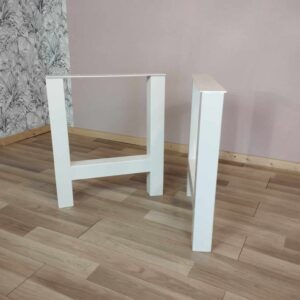
H-Shaped Metal Table Leg – 71 cm High
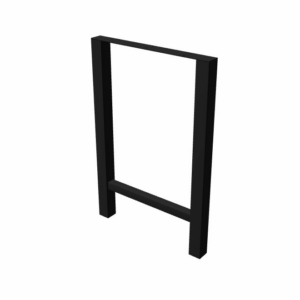
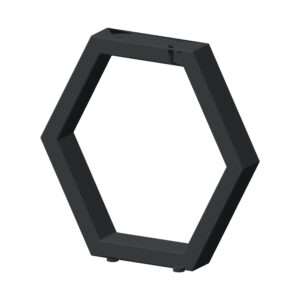
Hexagonal Metal Coffee Table Leg – 40 cm High
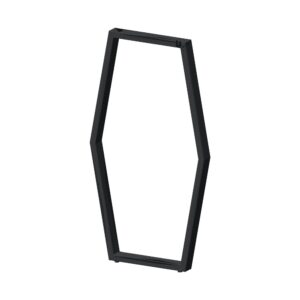
Hexagonal Metal Table Leg – 110 cm High
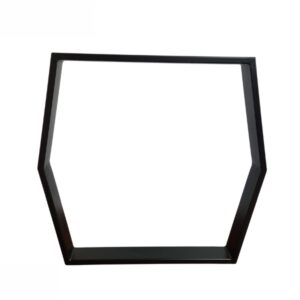
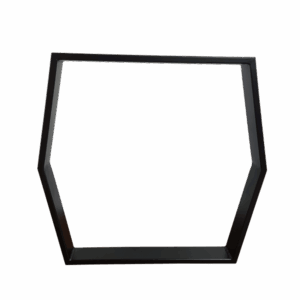
Hexagonal Metal Table Leg – 71 cm High
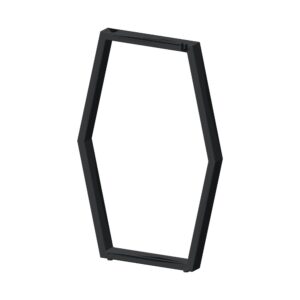
Hexagonal Metal Table Leg – 90 cm High
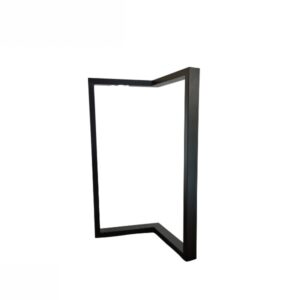
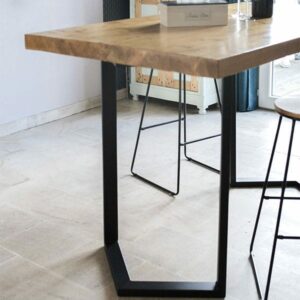
M Metal Table Leg – 110 cm High
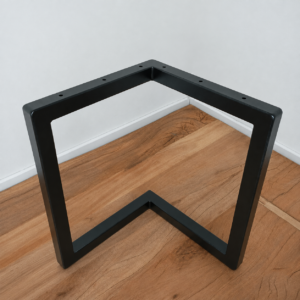
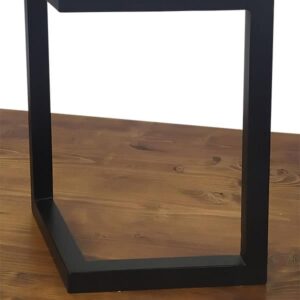
M Metal Table Leg – 40 cm High
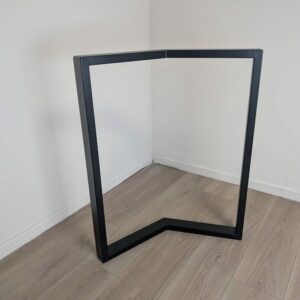
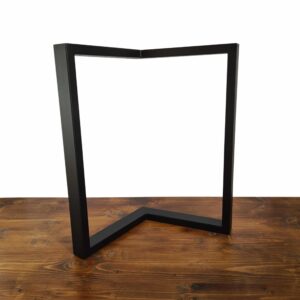
M Metal Table Leg – 71 cm High
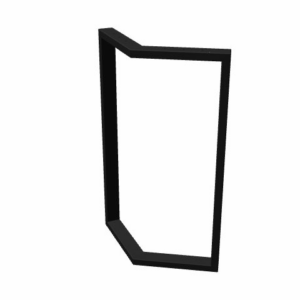
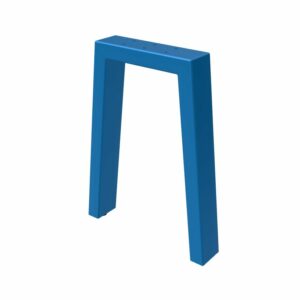
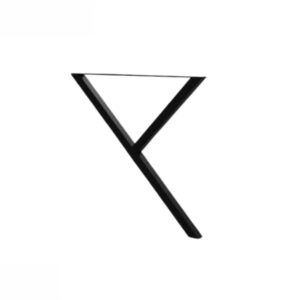
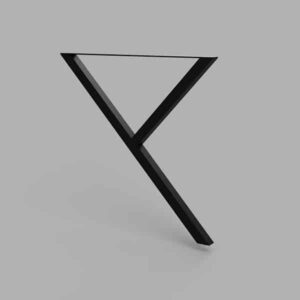
Metal Table Leg with Angled Upright – 71 cm High
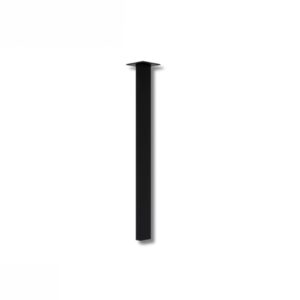
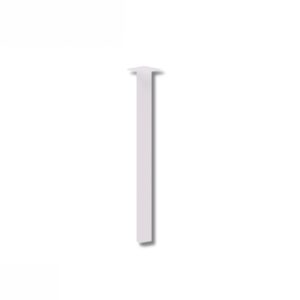
Rectangular Metal Table Leg – 71 cm High
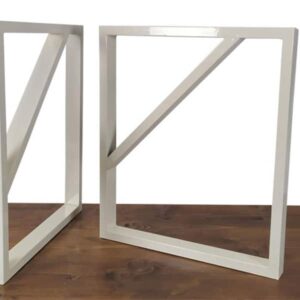
Rectangular Metal Table Leg with Diagonal Bar – 71 cm High
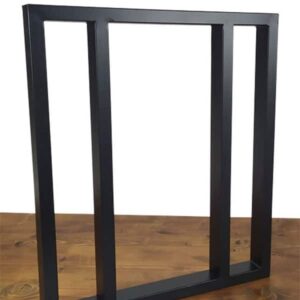
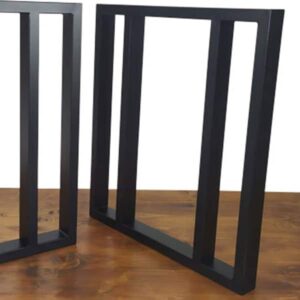
Rectangular Metal Table Leg with Two Bars – 71 cm High
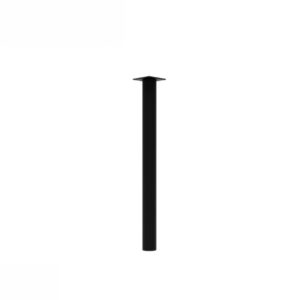
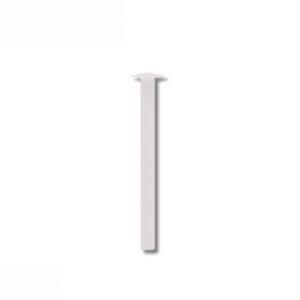
Round Metal Table Leg – 71 cm High
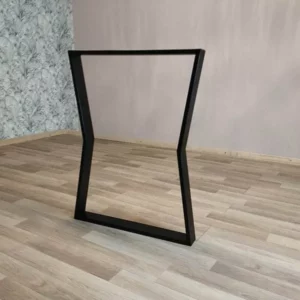
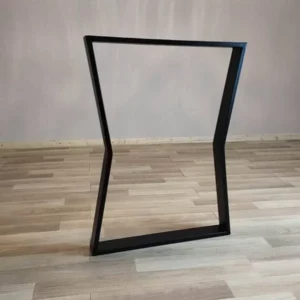
Sablier 1 Metal Table Leg – 110 cm High
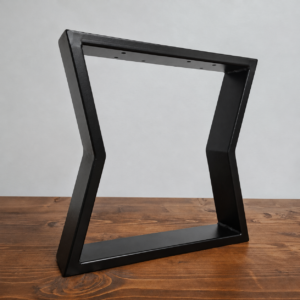
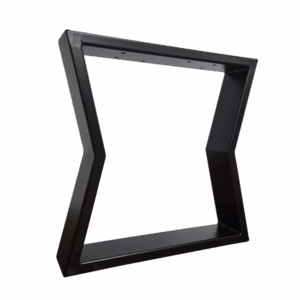
Sablier 1 Metal Table Leg – 40 cm High
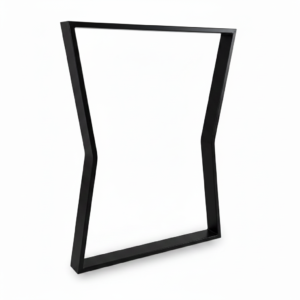
Sablier 1 Metal Table Leg – 71 cm High
Sablier 1 Metal Table Leg – 90 cm High
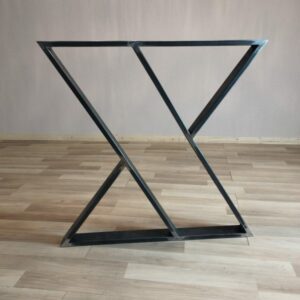
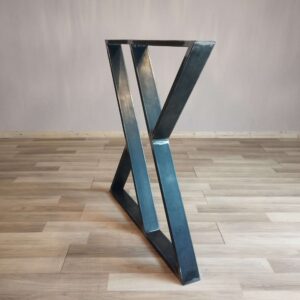
Sablier 2 Metal Table Leg – 110 cm High
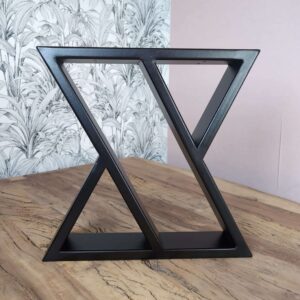
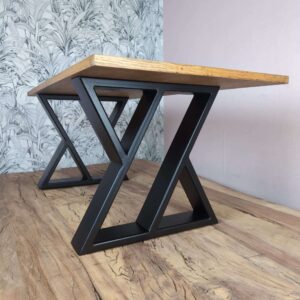
Sablier 2 Metal Table Leg – 40 cm High
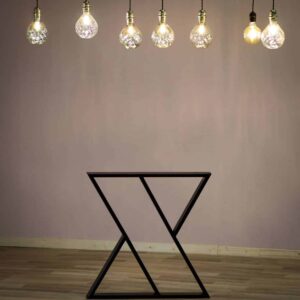
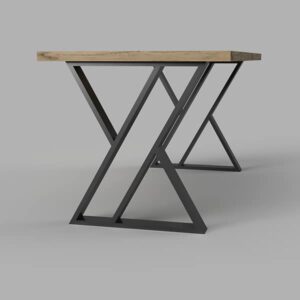
Sablier 2 Metal Table Leg – 71 cm High
Sablier 2 Metal Table Leg – 90 cm High
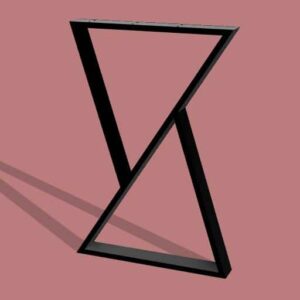
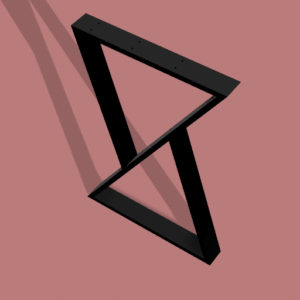
Sablier 3 Metal Table Leg – 110 cm High
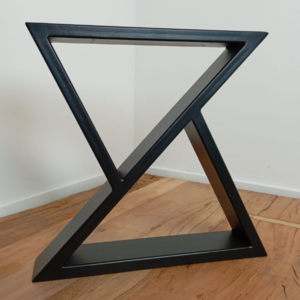
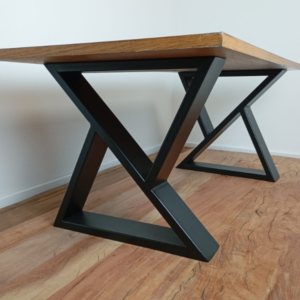
Sablier 3 Metal Table Leg – 40 cm High
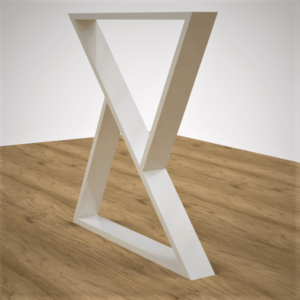
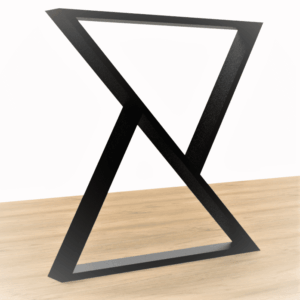
Sablier 3 Metal Table Leg – 71 cm High
Sablier 3 Metal Table Leg – 90 cm High
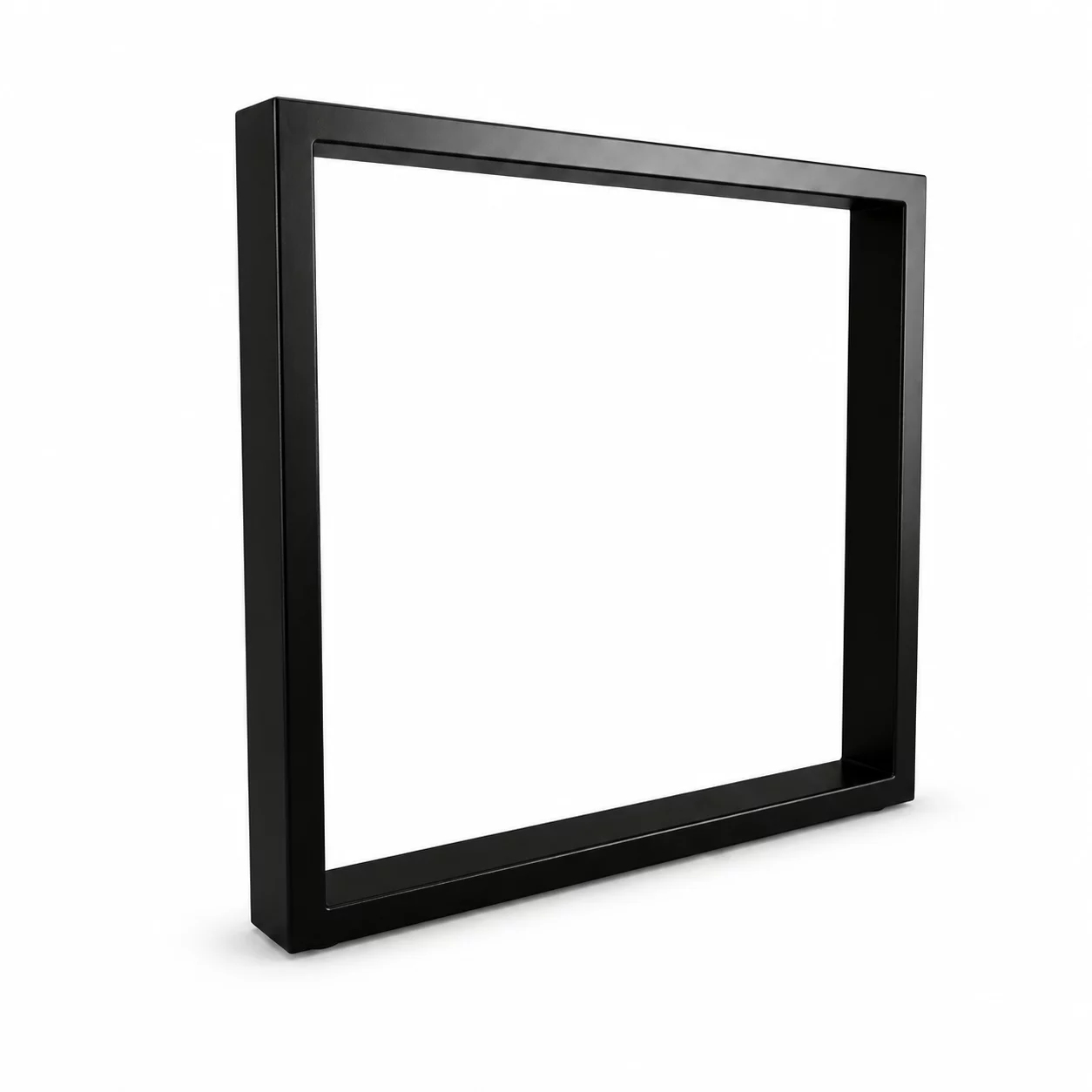
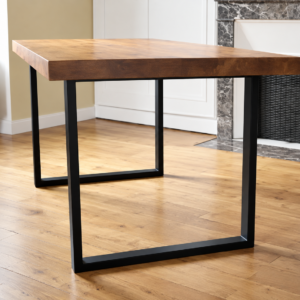
Square and Rectangular Metal Frame Table Leg – 71 cm High
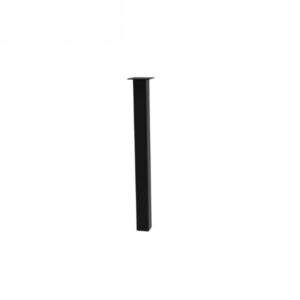
Square Metal Table Leg – 71 cm High
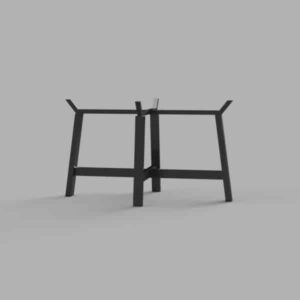
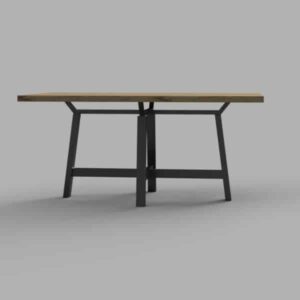
Tiered Central Metal Table Base – 71 cm High
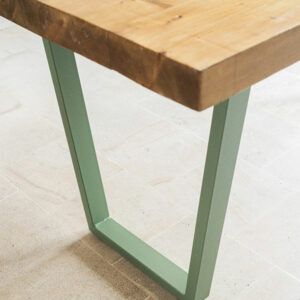
Trapèze 1 Metal Table Leg – 110 cm High
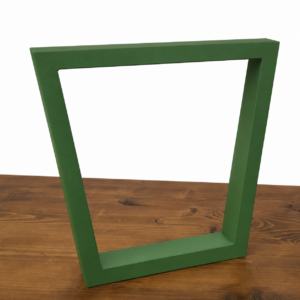
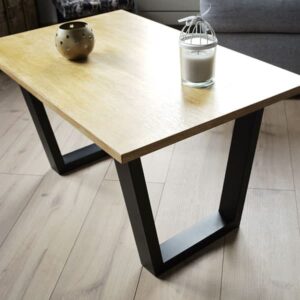
Trapèze 1 Metal Table Leg – 40 cm High
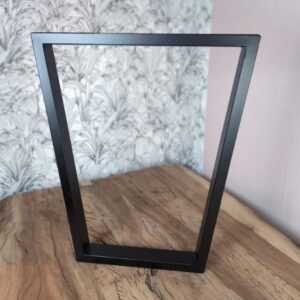
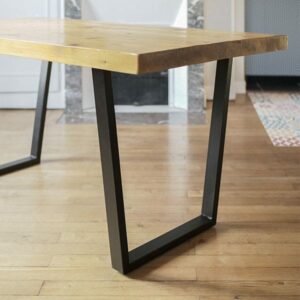
Trapèze 1 Metal Table Leg – 71 cm High
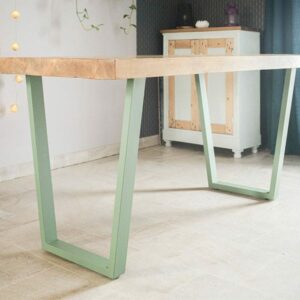
Trapèze 1 Metal Table Leg – 90 cm High
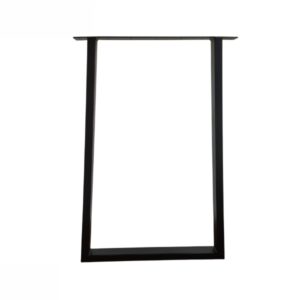
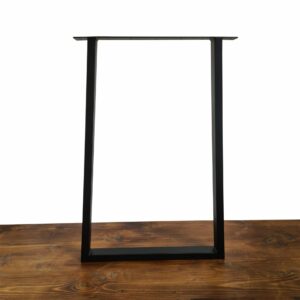
Trapèze 2 Metal Table Leg – 110 cm High
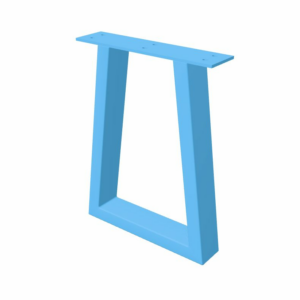
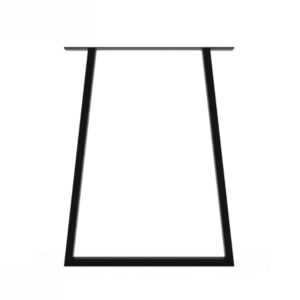
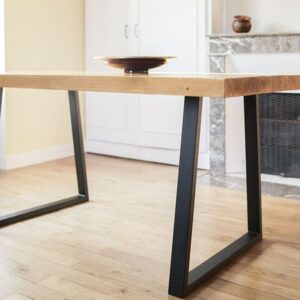
Trapèze 2 Metal Table Leg – 71 cm High
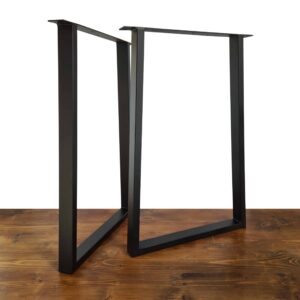
Trapèze 2 Metal Table Leg – 90 cm High
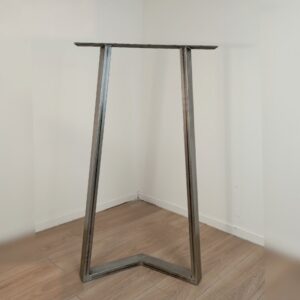
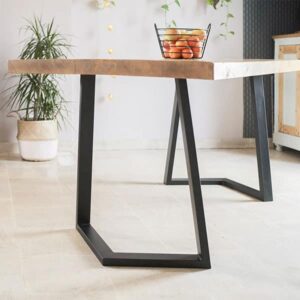
Trapèze M Metal Table Leg – 110 cm High
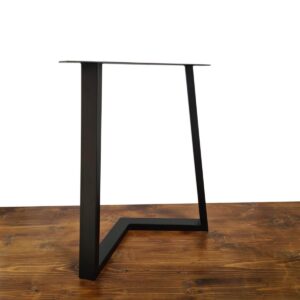
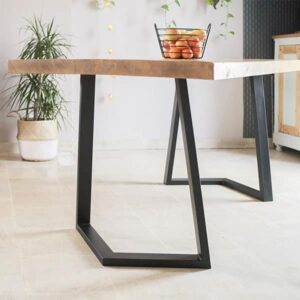
Trapèze M Metal Table Leg – 71 cm High
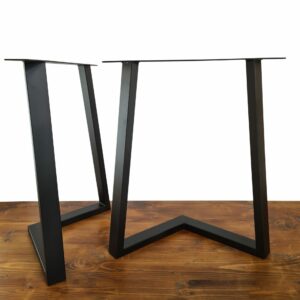
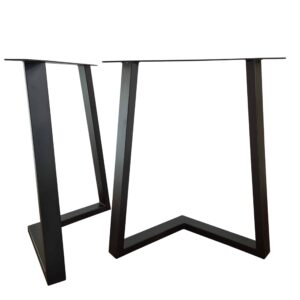
Trapèze M Metal Table Leg – 90 cm High
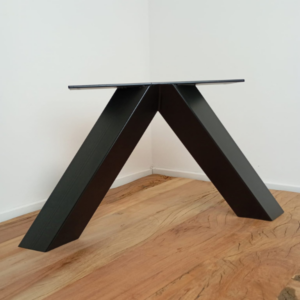
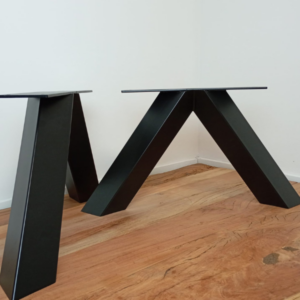
Trapezoidal Metal Table Leg – 37 cm High
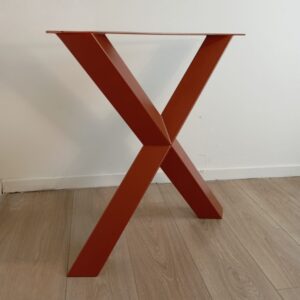
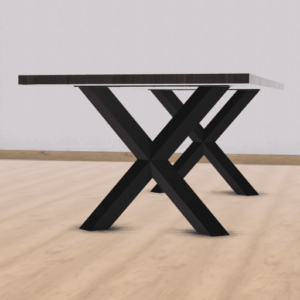
X-Shaped Metal Table Leg with Diamond Point – 71 cm High
CHOOSING THE RIGHT DESIGN · Solid wood
The right table base for your solid wood tabletop
WOOD ABOVE · METAL BELOW
Your tabletop sets the tone.
Light oak, rich walnut or the natural edges of an unfinished tabletop: choose a table base that complements the wood and leaves enough room for everyday life around the table.
Choosing the shape according to seating arrangements
Two metal frames emphasise a rectangular tabletop, while a central table base allows a different seating arrangement. Compare the floor footprint, mounting plates and knee clearance, not just the silhouette.
Discover the rectangular table legs, trapezoidal table legs and central table bases. Compatibility depends on your tabletop dimensions and the model selected.
Measuring your tabletop before choosing the legs
Record its length, width, thickness and weight. For a tabletop with natural edges, also measure the width where the mounting plates will be positioned. The finished table height includes the leg height and the tabletop thickness.
The distance between the supports and the overhangs affect how the tabletop performs. Even thick wood requires the span and any necessary reinforcements to be checked: prepare these measurements with the tabletop manufacturer.
Fixing metal legs while allowing the wood to move
Solid wood can change in width as humidity varies. The fixing system must accommodate this movement and comply with the requirements for both the tabletop and the table base. Do not restrict this movement with an improvised assembly.
Choose screws or threaded inserts according to the wood species, usable thickness and any planned disassembly. Check the fixing depth at each mounting plate: no single screw length is suitable for every tabletop.
THE DETAIL THAT MAKES THE DIFFERENCE
Finishes
A bright cream, a soft green or a touch of copper: coordinate your table legs with the tabletop and seating. Whether smooth, finely textured or metallic, the appearance of the finish matters just as much as the colour.
View the 15 colours and finishesColours shown on screen are indicative.
Frequently asked questions
Are the table legs offered made from solid wood?
No. This category features metal table legs intended for use with a solid wood tabletop. Here, wood refers to the tabletop, not the material of the legs.
Which table legs should I choose for a solid oak tabletop?
Start with the dimensions, weight and construction of the tabletop, then compare the footprint of the legs and the space available for seating. The wood species alone is not enough to determine which model to choose.
Does a heavy tabletop require a particular type of leg?
The permissible load must be confirmed for the model and complete assembly. The span, overhangs and fixings also matter; using metal alone does not guarantee compatibility.
Can an old tabletop be reused?
Yes, after checking its condition and the fixing areas. Cracks, damaged existing holes or insufficient thickness may require repairs or a different mounting method.
A model, a shape, an idea.